Breast
Breast Cancer Surgeries
Surgical treatment planned around both cure and quality of life
Book an appointment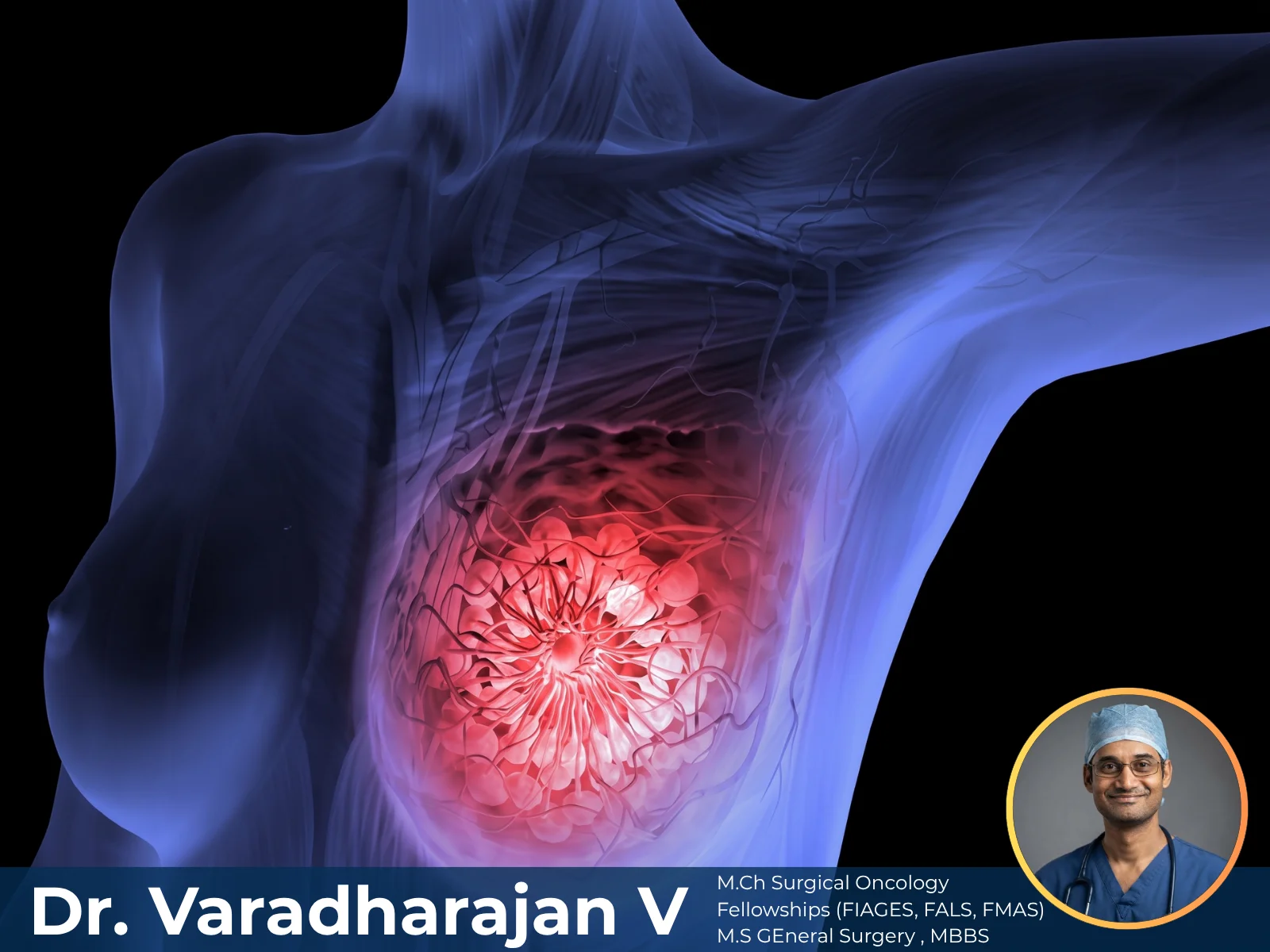
Breast Cancer Surgeries: Key Facts
- Covers lumpectomy, mastectomy and lymph node surgery for breast cancer
- Breast conservation is offered whenever safe margins allow
- More than 5,000 breast surgeries performed
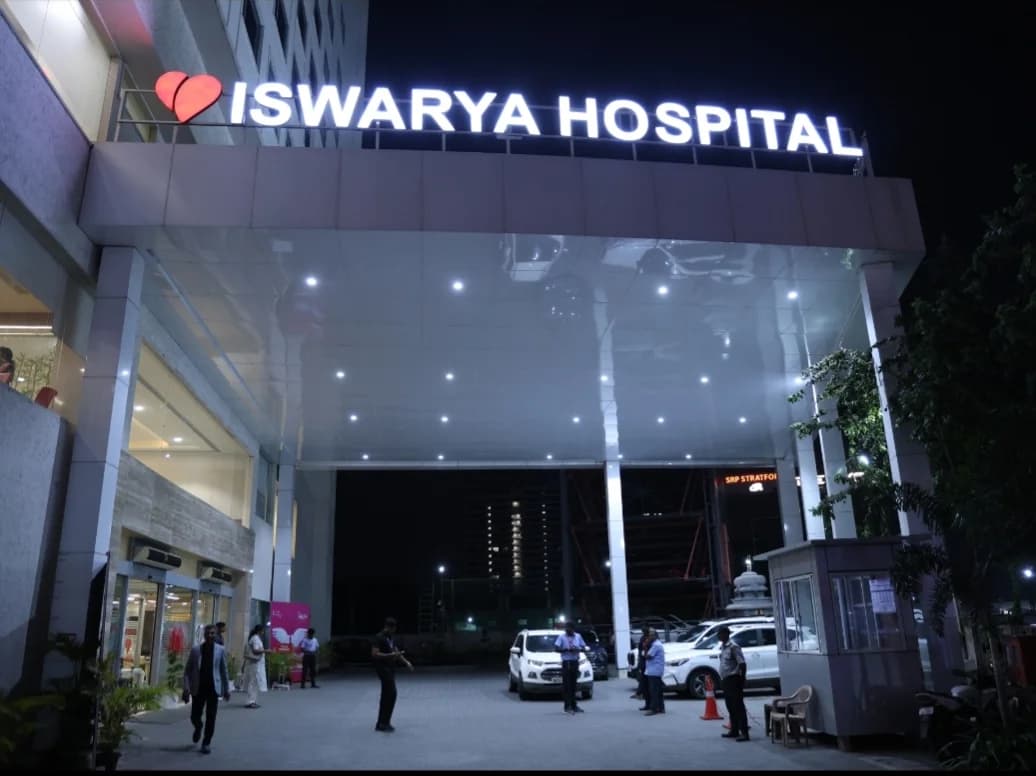
- Performed at Iswarya Hospital, Tharamani, Chennai
- Video consultation available on WhatsApp
Tailoring Surgery to the Individual, Not Just the Tumour
Breast cancer surgery has moved a long way from the idea that removing the whole breast is always the safest option. Today, the choice between breast-conserving surgery (removing the tumour with a margin of healthy tissue) and mastectomy (removing the whole breast) depends on tumour size, location, type, and the patient's own preferences, not a single fixed rule. Dr. Varadharajan V works through this decision with each patient individually, explaining what each option means for cancer control, appearance, and recovery, so the final choice is genuinely informed rather than assumed.
Oncoplastic Techniques for Better Cosmetic Outcomes
Where breast-conserving surgery is appropriate, oncoplastic techniques can reshape the breast at the same time the tumour is removed, which often gives a better cosmetic result than removing the tumour alone. Sentinel lymph node biopsy, a technique that checks only the first draining lymph node rather than removing many nodes automatically, has also reduced the risk of long-term arm swelling for many patients. These are not exotic add-ons; they are now a standard part of planning breast cancer surgery whenever they are clinically appropriate.
What Guides the Final Surgical Plan
Before any operation, the full picture is assembled: biopsy results confirming the cancer type, imaging to map tumour size and position, and receptor status that predicts how the tumour behaves. Surgery is then sequenced within the wider treatment plan; some patients benefit from chemotherapy before the operation to shrink a larger tumour, while others proceed straight to surgery. Dr. Varadharajan V reviews each case through a multidisciplinary lens so that the operation recommended is the one most likely to achieve clear margins with the least possible impact on the patient's life.
Who May Need Breast Cancer Surgery
Surgery is the usual first step for most breast cancers found at an early or locally advanced stage. It may also be recommended after chemotherapy has shrunk a larger tumour, or occasionally to control a tumour that is causing symptoms. A small number of patients with very widespread disease may be advised against surgery because medical treatment serves them better; that judgement is made case by case after reviewing scans and biopsy results together.
Surgical Options Available
Approaches used depending on the specific case
- Breast-conserving surgery (lumpectomy) with oncoplastic reshaping
- Mastectomy, with or without immediate reconstruction
- Sentinel lymph node biopsy to minimise unnecessary node removal
- Axillary lymph node dissection when more extensive spread is confirmed
- Nipple-sparing techniques where oncologically appropriate
Who Typically Needs This Surgery
Situations that call for a surgical consultation
- A confirmed breast cancer diagnosis from biopsy
- A suspicious finding on mammogram or ultrasound requiring further workup
- Recurrent disease after previous breast cancer treatment
- Genetic risk factors (such as BRCA mutations) considering preventive surgery
- Patients who have completed chemotherapy and are ready for surgical treatment
What Influences the Surgical Plan
Factors weighed before recommending an approach
- Tumour size relative to overall breast size
- Whether the cancer is in one location or multiple areas of the breast
- Hormone receptor and genetic status of the tumour
- Patient preference regarding breast conservation versus removal
- Whether radiation or chemotherapy will be needed before or after surgery
Signs That Warrant Prompt Evaluation
Breast changes that should not be ignored
- A new lump or area of thickening in the breast or underarm
- A change in the size, shape, or contour of one breast
- Nipple discharge, particularly if blood-stained or one-sided
- Skin dimpling, redness, or an orange-peel texture over the breast
- A nipple that has recently turned inward without explanation
Recovery After Breast Cancer Surgery
What the healing period generally involves
- Most patients return home within a day or two after breast-conserving surgery
- A temporary drain may be placed after larger operations to prevent fluid collection
- Gentle arm and shoulder exercises begin early to protect mobility
- The pathology report on the removed tissue guides any further treatment
- Follow-up visits monitor healing and plan radiation or additional therapy where needed
Preparing for Surgery
What usually happens before the operation
- Biopsy results and imaging are reviewed to confirm the surgical plan
- Blood tests and an anaesthesia fitness check are completed
- Current medicines are reviewed; some may need to be paused
- You can ask for family members to join the planning discussion
Recovery and Follow-Up
The typical course after breast surgery
- Arm and shoulder exercises begin early to protect mobility
- The pathology report guides decisions about radiation or further treatment
- Follow-up visits check healing and plan ongoing surveillance
- Report any new lump, discharge or skin change promptly at review
Questions to Ask Your Surgeon
Useful things to clarify at consultation
- Is breast conservation possible in my case?
- Will I need chemotherapy before or after surgery?
- What are the chances of needing lymph node removal?
- When can I return to normal daily activity?
Medically reviewed by Dr. Varadharajan V, Surgical Oncologist (M.Ch Surgical Oncology), Iswarya Hospital, Chennai, Tamil Nadu, India · Tamil Nadu Medical Council Reg. No. 90663 · Last reviewed: September 2026

Frequently Asked Questions
Need answers? Find them here...
The choice depends on tumour size, location, type, and your own preference, there is no single rule. Many patients are suitable for breast-conserving surgery (lumpectomy), sometimes with oncoplastic reshaping for a better cosmetic result. Mastectomy is recommended only when conservation would compromise safe margins or when you prefer it. Both options are explained fully before you decide.
It is a technique that checks only the first lymph node the cancer would drain to, rather than removing many nodes automatically. If that node is clear, further node removal is usually unnecessary, which significantly lowers the risk of long-term arm swelling (lymphoedema). It has become a standard part of breast cancer surgery where appropriate.
Yes. For some larger tumours, chemotherapy first (neoadjuvant therapy) can shrink the cancer, sometimes making breast conservation possible where it otherwise would not be. Whether this applies to you depends on tumour type and stage, and it is decided through multidisciplinary review before your operation is scheduled.
Most patients go home within a day or two after breast-conserving surgery; mastectomy may mean a slightly longer stay. A temporary drain is sometimes placed after larger operations, and gentle arm exercises begin early to protect shoulder mobility. The pathology report on the removed tissue then guides whether radiation or further treatment is needed.
Related Treatments

Breast Oncoplasty
Combines cancer removal with cosmetic reconstruction for optimal appearance.

Benign Breast Condition Surgery
Treatment of non-cancerous breast conditions using minimally invasive techniques.

Surgical Oncology
General surgical oncology care spanning breast, GI, gynaecological, thoracic and peritoneal cancers.
Travelling for treatment? See guidance for patients coming from outside Chennai.
This page is general education about breast cancer surgeries and is not personal medical advice. Diagnosis, stage and fitness decide the right treatment for each person. Please consult Dr. Varadharajan V or your own oncologist for advice on your situation. In an emergency, go to the nearest hospital.
Location & Contact
Contact Information
Address
110, Rajiv Gandhi Salai, OMR, Tharamani, Chennai 600041, Tamil Nadu
Working Hours
Mon to Sat, 9:00 AM to 5:00 PM · Sunday closed
Phone
+91 94442 64315Book an Appointment
Online booking is temporarily unavailable. Please call +91 94442 64315 or message us on WhatsApp.