GI & Abdominal
Retroperitoneal Tumor Surgery
Specialised surgery for tumours in a technically demanding part of the abdomen
Book an appointment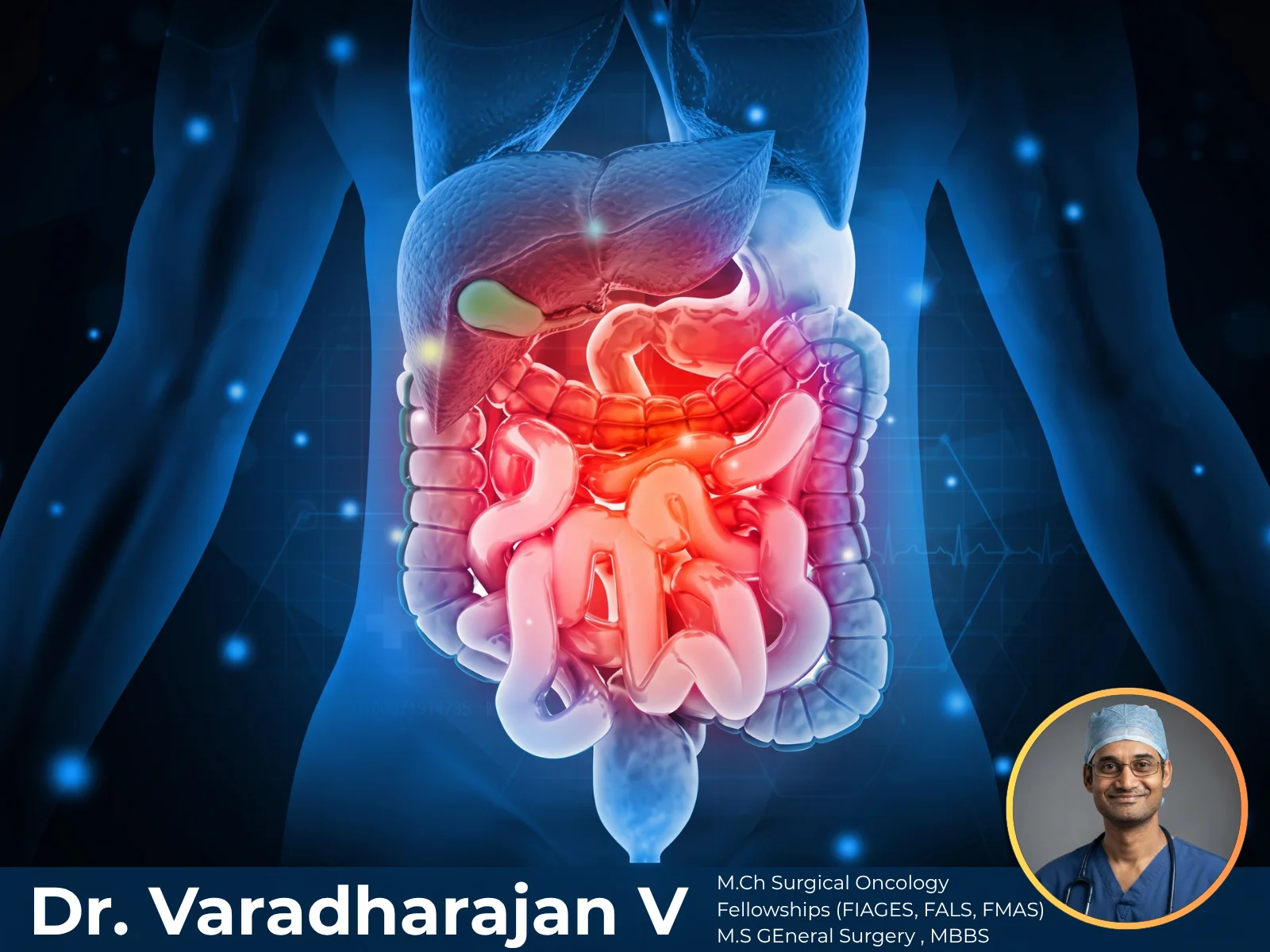
Retroperitoneal Tumor Surgery: Key Facts
- Surgery for tumours in the retroperitoneum, the space behind the intestines
- En-bloc removal with clear margins is the priority
- May involve removing an adjacent organ such as a kidney
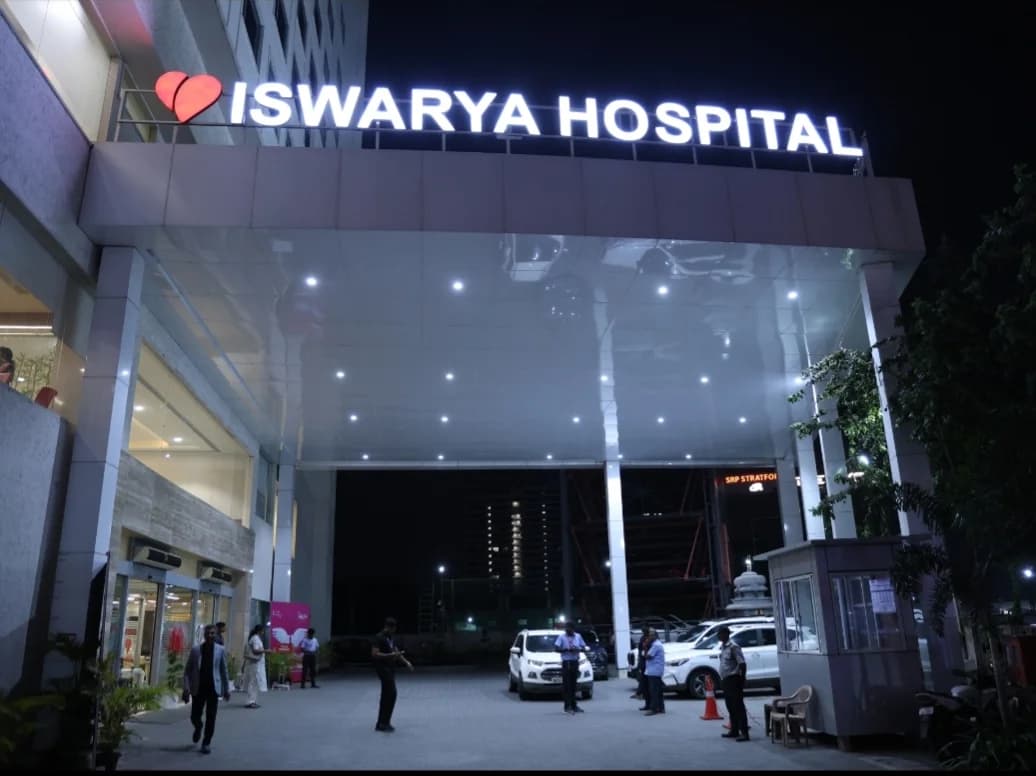
- Performed at Iswarya Hospital, Tharamani, Chennai
- Video consultation available on WhatsApp
A Less Common but Technically Demanding Area
The retroperitoneum is the space at the back of the abdominal cavity, behind the intestines, where major blood vessels, the kidneys, and other structures sit. Tumours here, whether sarcomas or other rare growths, are less common than breast or GI cancers, but they tend to be technically demanding to remove because of how closely they sit against vital structures. These tumours often grow silently for a long time before causing symptoms, which means many are found larger than expected by the time they're diagnosed.
Why Experience With This Anatomy Matters
Because retroperitoneal tumours can involve or sit right against major blood vessels, kidneys, or other organs, surgery here requires meticulous planning, often with input from vascular or urologic colleagues depending on what the tumour is touching. The goal is always complete removal with clear margins, since incomplete removal significantly increases the chance of the tumour returning. This isn't surgery to approach casually, and getting an accurate pre-operative picture through imaging is essential before any operation is planned.
Complete Removal Is the Priority
For retroperitoneal tumours, particularly sarcomas, the strongest protection against recurrence is removing the tumour completely with a margin of healthy tissue, often called an en bloc resection. Because these growths can wrap around or press against neighbouring structures, surgery sometimes means removing an adjacent organ, such as a kidney or part of the bowel, in the same operation to achieve clear margins. This is why detailed cross-sectional imaging and honest pre-operative discussion matter so much: patients need to understand beforehand what the operation may involve and why thoroughness at the first surgery offers the strongest long-term protection.
Why These Tumours Need Careful Planning
Retroperitoneal tumours often grow quietly until they are large, sitting against kidneys, major blood vessels and bowel. Because the first operation offers the strongest protection against recurrence, surgery is planned around detailed cross-sectional imaging, sometimes with vascular or urology colleagues involved. Patients are told beforehand if an adjacent organ may need to come out with the tumour.
What This Surgery Addresses
Types of tumours managed in this space
- Retroperitoneal sarcomas
- Tumours involving or adjacent to the kidney
- Tumours near major abdominal blood vessels
- Recurrent retroperitoneal disease after previous surgery
- Rare retroperitoneal growths requiring specialist surgical assessment
Who Typically Needs This Surgery
Situations leading to a referral
- A retroperitoneal mass identified incidentally or through imaging for another reason
- Vague abdominal or back discomfort that led to a scan showing a mass
- A biopsy-confirmed retroperitoneal tumour requiring surgical planning
- Recurrence after a previous retroperitoneal tumour removal
- A second opinion on whether a tumour is safely operable
How These Cases Are Approached
What careful planning looks like here
- Detailed CT or MRI imaging to map the tumour against surrounding structures
- Multidisciplinary input, including vascular or urologic surgery where needed
- Planning for potential involvement of major vessels or the kidney before surgery
- Complete surgical removal aimed at clear margins to reduce recurrence risk
- Long-term follow-up imaging given the possibility of late recurrence
What the Operation May Involve
Elements of a typical retroperitoneal resection
- En bloc removal of the tumour with a margin of surrounding tissue
- Removal of an adjacent organ (such as a kidney) when the tumour involves it
- Coordination with vascular surgery if major vessels are affected
- Careful reconstruction of normal anatomy after the tumour is out
- Pathology assessment of margins to confirm complete removal
What to Expect After Surgery
Recovery following major retroperitoneal surgery
- Close monitoring in the early days, sometimes in a high-dependency unit
- A longer hospital stay than for standard abdominal operations
- Gradual return to eating and activity over several weeks
- Regular cross-sectional imaging to watch for recurrence
- Multidisciplinary review of the final pathology before discharge planning
Preparing for Retroperitoneal Surgery
Steps before a complex abdominal operation
- CT and MRI map the tumour against vessels and organs
- Multidisciplinary review decides the surgical plan
- Blood tests and anaesthesia assessment are completed
- The possibility of removing an adjacent organ is discussed openly
Recovery and Follow-Up
After major retroperitoneal surgery
- Early recovery may include high-dependency monitoring
- Hospital stay is longer than for routine abdominal surgery
- Eating and activity return gradually over several weeks
- Regular imaging continues because these tumours can recur late
Questions to Ask Your Surgeon
Points worth clarifying before surgery
- Can the tumour be removed completely with clear margins?
- Which organs might need to be removed with it?
- What are the main risks in my particular case?
- How will recurrence be watched for afterwards?
Medically reviewed by Dr. Varadharajan V, Surgical Oncologist (M.Ch Surgical Oncology), Iswarya Hospital, Chennai, Tamil Nadu, India · Tamil Nadu Medical Council Reg. No. 90663 · Last reviewed: September 2026

Frequently Asked Questions
Need answers? Find them here...
The retroperitoneum sits behind the intestines and contains major blood vessels, the kidneys, and other vital structures. Tumours here often grow silently until they are large and sit against or around these structures, making complete removal technically demanding and requiring meticulous planning, sometimes with vascular or urologic colleagues.
Sometimes. When a tumour involves or presses against a neighbouring organ, such as a kidney or part of the bowel, removing that organ together with the tumour (en bloc resection) may be the only way to achieve clear margins. This possibility is assessed on imaging and discussed with you before surgery, not decided in theatre.
Incomplete removal significantly raises the risk of the tumour returning, which is why complete resection with clear margins is the priority from the start. Detailed imaging maps the tumour against surrounding structures before any operation, and a second opinion is always reasonable where operability is uncertain.
Recovery is typically longer than for standard abdominal operations. The early days involve close monitoring, sometimes in a high-dependency unit, with gradual return to eating and activity over several weeks. Regular cross-sectional imaging continues afterward because these tumours can recur late.
Related Treatments

GI Oncology
Comprehensive surgical treatment for gastrointestinal cancers and tumors.

Surgical Oncology
General surgical oncology care spanning breast, GI, gynaecological, thoracic and peritoneal cancers.

Minimal Access Surgery
Less invasive cancer surgery with faster recovery and smaller incisions.
Travelling for treatment? See guidance for patients coming from outside Chennai.
This page is general education about retroperitoneal tumor surgery and is not personal medical advice. Diagnosis, stage and fitness decide the right treatment for each person. Please consult Dr. Varadharajan V or your own oncologist for advice on your situation. In an emergency, go to the nearest hospital.
Location & Contact
Contact Information
Address
110, Rajiv Gandhi Salai, OMR, Tharamani, Chennai 600041, Tamil Nadu
Working Hours
Mon to Sat, 9:00 AM to 5:00 PM · Sunday closed
Phone
+91 94442 64315Book an Appointment
Online booking is temporarily unavailable. Please call +91 94442 64315 or message us on WhatsApp.