Gynae, Thoracic & Head-Neck
Head and Neck Cancer
Complete surgical care for cancers of the mouth, throat, and neck.
Book an appointment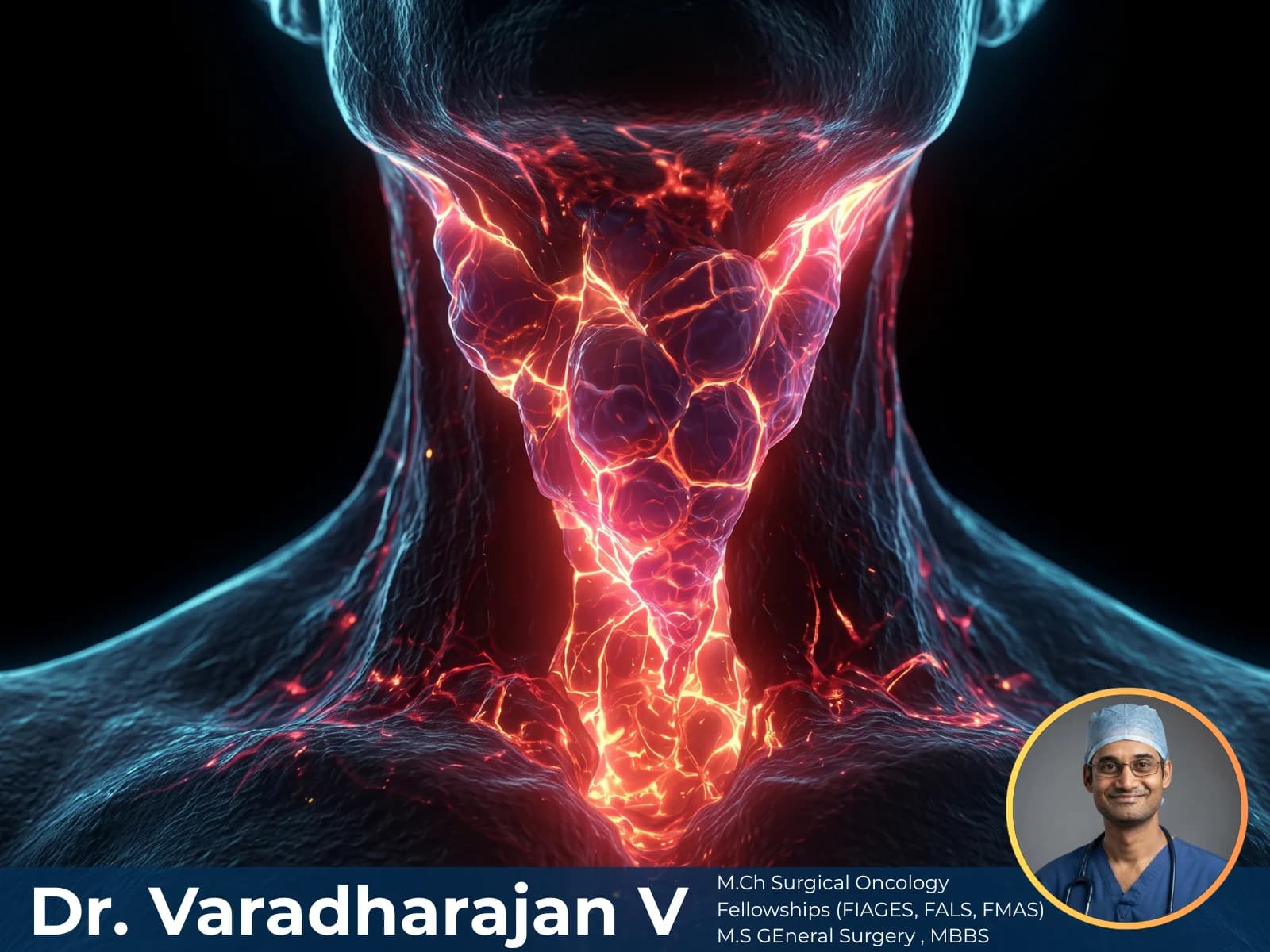
Head and Neck Cancer: Key Facts
- Surgery for cancers of the mouth, throat, thyroid and neck
- Planning weighs speech, swallowing and appearance alongside clearance
- Neck lymph node removal is combined where spread is a risk
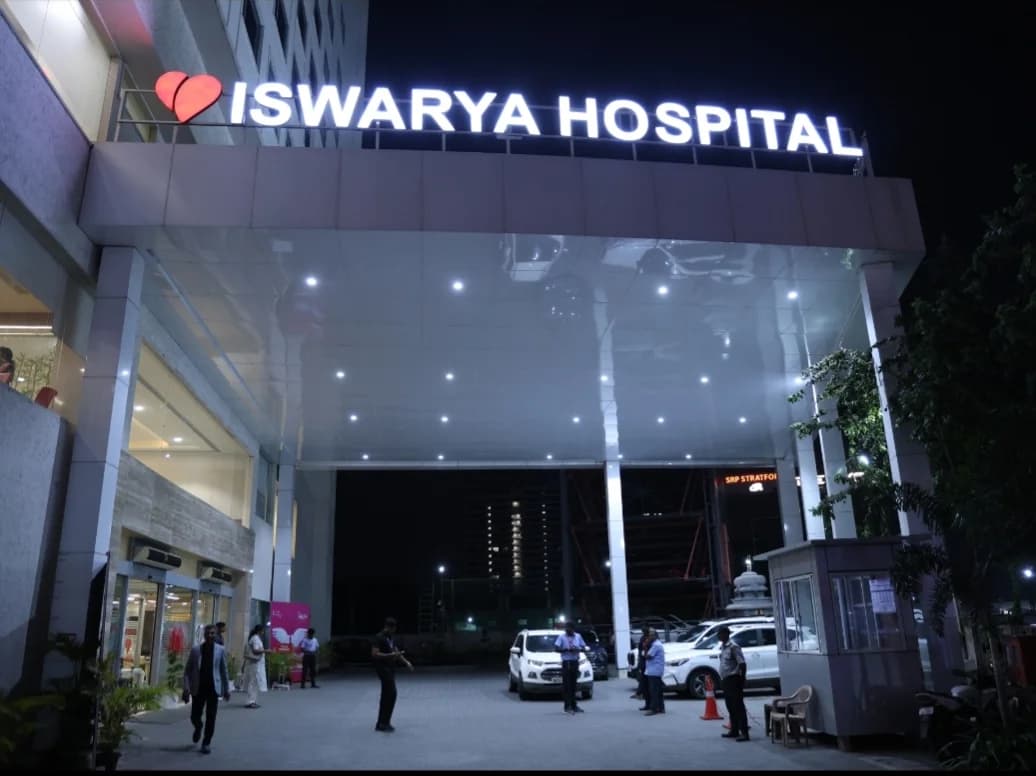
- Performed at Iswarya Hospital, Tharamani, Chennai
- Video consultation available on WhatsApp
Cancers in an Area Central to Daily Life
Head and neck cancers affect areas most people don't think about until something goes wrong with them: the mouth, tongue, throat, voice box, and salivary glands. Because these structures are involved in speaking, swallowing, and breathing, surgery here has to weigh cancer removal against the very real impact on how a patient lives afterward. Early-stage cancers can sometimes be treated with more limited surgery, while advanced cases may need more extensive resection, which is why accurate staging before treatment matters so much.
When Reconstruction Becomes Part of the Plan
For more advanced head and neck cancers, removing the tumour may leave a defect that affects appearance or function, and reconstructive techniques, including microvascular free-flap surgery, are used to rebuild what's been removed. This is a more detailed procedure that's covered on its own page, but it's worth knowing upfront that reconstruction isn't an afterthought here; it's planned alongside the cancer surgery from the beginning for cases where it will be needed.
Treatment That Protects Speech, Swallowing, and Appearance
Because head and neck structures govern how a person eats, speaks, and looks, the surgical plan weighs function alongside cancer clearance from the very start. Neck lymph node removal may be combined with the primary operation when there is risk of spread, and the surgical team plans airway and nutrition support for the recovery period in advance. The aim throughout is a complete cancer removal that leaves the patient able to swallow, speak, and return to normal social life with the least possible long-term impact.
Areas and Conditions Treated
Sites within head and neck cancer surgery
- Oral cavity cancers, including tongue and floor of mouth
- Throat (oropharyngeal and laryngeal) cancers
- Thyroid cancer
- Salivary gland tumours
- Neck lumps requiring surgical diagnosis or treatment
Who Should Get Evaluated
Symptoms that warrant a specialist opinion
- A persistent mouth ulcer or sore that hasn't healed in a few weeks
- A lump in the neck that isn't going away
- Difficulty or pain swallowing that continues beyond a short illness
- Hoarseness lasting more than two to three weeks
- A confirmed diagnosis needing surgical treatment planning
How Treatment Is Approached
What patients can generally expect
- Thorough examination, often including endoscopy of the throat
- Imaging (CT, MRI, or PET) to determine the extent of disease
- Discussion of surgical options ranging from limited to more extensive resection
- Reconstruction planning where the tumour size or location requires it
- Coordination with speech and swallowing therapists as part of recovery
Why Surgery Here Requires Specialist Planning
What makes head and neck operations complex
- Tumours sit close to structures controlling speech, swallowing, and breathing
- Neck lymph node removal is often combined with the primary surgery
- Major resections may need microvascular reconstruction to restore function
- Airway and feeding plans are arranged before the operation
- Rehabilitation begins early to protect long-term function
The Team Behind Recovery
Support that continues well beyond the operation
- Speech and swallowing therapy started gradually after surgery
- Nutritional support until normal eating is safely restored
- Dental and jaw care where treatment involves the mouth
- Coordination with medical and radiation oncology for further treatment
- Regular surveillance to monitor healing and watch for recurrence
Medically reviewed by Dr. Varadharajan V, Surgical Oncologist (M.Ch Surgical Oncology), Iswarya Hospital, Chennai, Tamil Nadu, India · Tamil Nadu Medical Council Reg. No. 90663 · Last reviewed: September 2026
Frequently Asked Questions
Need answers? Find them here...
Function is weighed alongside cancer clearance from the very start of planning. Where speech or swallowing may be affected, rehabilitation with specialist therapists begins gradually after surgery, and nutrition support is arranged until normal eating is restored. The goal is a complete removal with the least possible long-term impact.
No. Early-stage cancers can sometimes be treated with more limited surgery, while advanced tumours may need extensive resection, and reconstruction where removal affects appearance or function. Accurate staging before treatment determines how much surgery is genuinely needed for your case.
When there is a risk the cancer has spread to neck nodes, their removal is combined with the primary operation, this both treats existing spread and gives accurate staging information. Whether it is needed in your case is decided from imaging and examination before surgery.
Recovery is supported by a team, not just the surgeon: speech and swallowing therapists, nutritionists, and medical and radiation oncologists where further treatment is needed. Airway and feeding plans are arranged before the operation, and regular surveillance continues afterward to monitor healing and check for recurrence.
Related Treatments

Complex Head & Neck Resection
Advanced surgery for head and neck cancers with functional preservation.

Surgical Oncology
General surgical oncology care spanning breast, GI, gynaecological, thoracic and peritoneal cancers.
Travelling for treatment? See guidance for patients coming from outside Chennai.
This page is general education about head and neck cancer and is not personal medical advice. Diagnosis, stage and fitness decide the right treatment for each person. Please consult Dr. Varadharajan V or your own oncologist for advice on your situation. In an emergency, go to the nearest hospital.
Location & Contact
Contact Information
Address
110, Rajiv Gandhi Salai, OMR, Tharamani, Chennai 600041, Tamil Nadu
Working Hours
Mon to Sat, 9:00 AM to 5:00 PM · Sunday closed
Phone
+91 94442 64315Book an Appointment
Online booking is temporarily unavailable. Please call +91 94442 64315 or message us on WhatsApp.