General
Surgical Oncology
Comprehensive surgical treatment across all major cancer types.
Book an appointment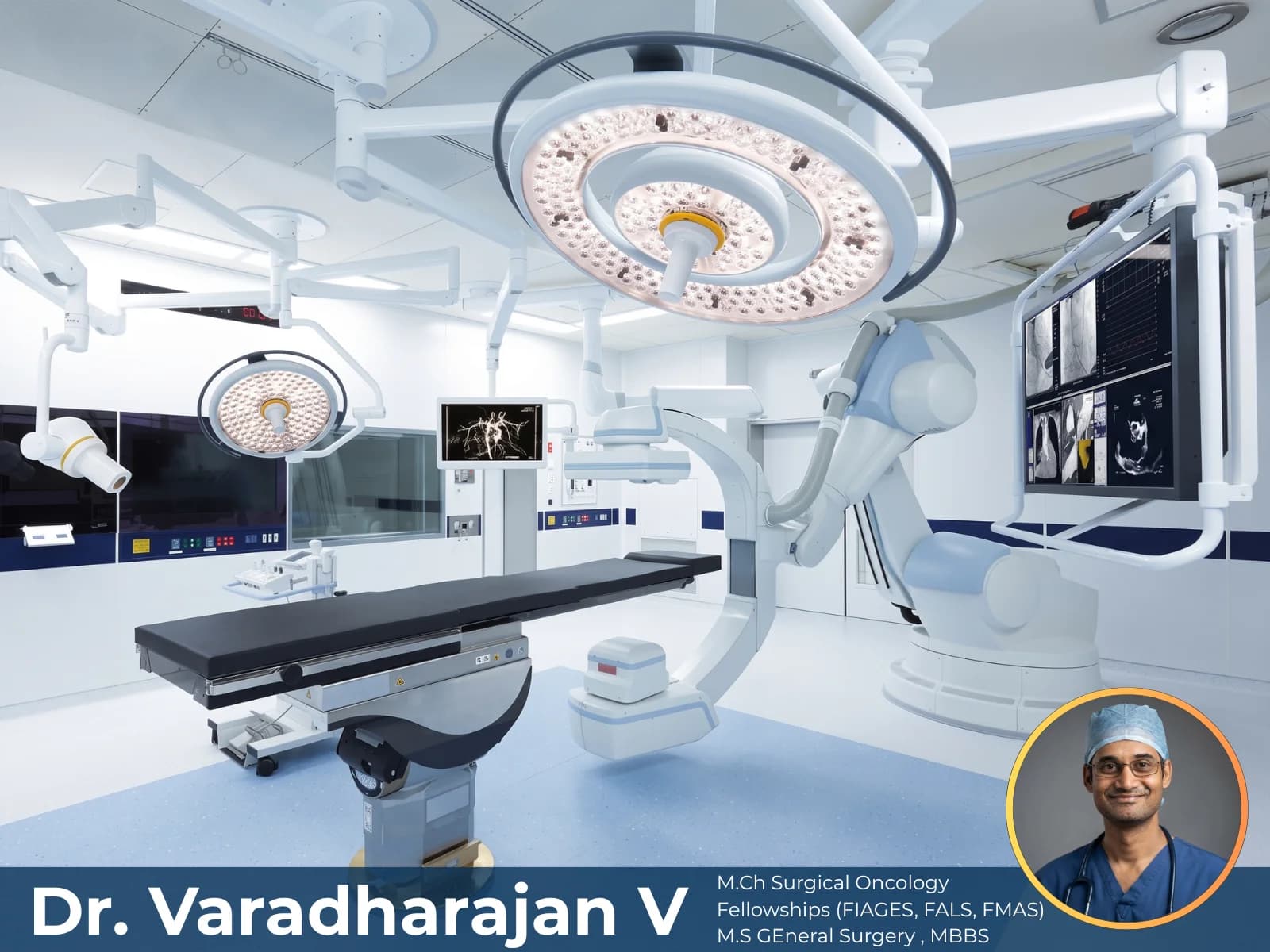
Surgical Oncology: Key Facts
- Covers surgical treatment across breast, GI, gynaecological, thoracic and peritoneal cancers
- Open, laparoscopic and robotic approaches are chosen case by case
- Every major decision is reviewed by a multidisciplinary tumour board
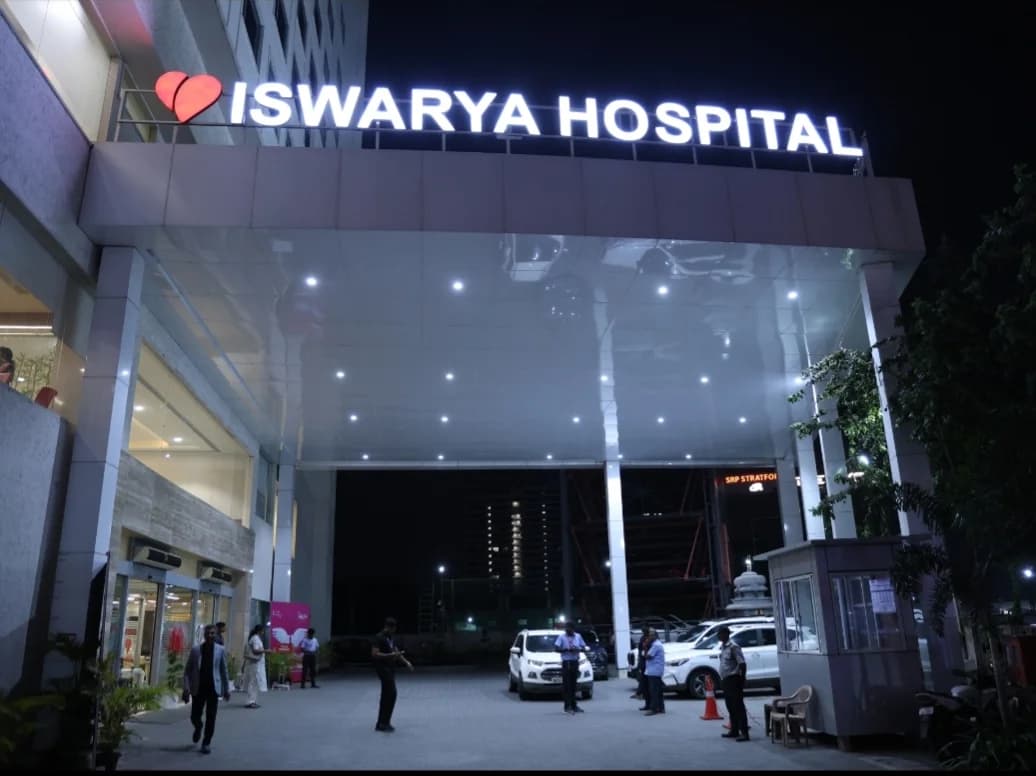
- Performed at Iswarya Hospital, Tharamani, Chennai
- Video consultation available on WhatsApp
Comprehensive Cancer Surgery Across Multiple Organs
Surgical oncology is the branch of cancer care that focuses on removing tumours through operation, whether the goal is a complete cure, disease control, or relief from symptoms. It sits at the centre of most cancer treatment plans, often working alongside chemotherapy, radiation, and targeted therapy rather than replacing them. Dr. Varadharajan V brings this expertise across breast, gastrointestinal, gynaecological, thoracic, and peritoneal cancers, which means patients don't need to be referred between multiple surgeons as their diagnosis becomes clearer. Every case starts with a careful review of imaging, biopsy results, and overall health before any surgical plan is proposed.
A Modern, Minimally Invasive Approach Where Possible
Cancer surgery has changed a great deal over the past two decades. Where older techniques required large open incisions, many procedures today can be done laparoscopically or robotically through small ports, which usually means less pain, a shorter hospital stay, and a faster return to normal life. That said, minimally invasive surgery isn't right for every tumour or every patient. Part of the surgeon's job is judging, case by case, whether a keyhole approach will achieve the same oncologic result as open surgery, and being honest when it won't.
How Surgery Fits Into the Wider Treatment Plan
An operation is rarely the whole answer on its own. Depending on the cancer, surgery may come first, follow a course of chemotherapy to shrink the tumour, or be combined afterward with radiation or further drug treatment. The sequencing is decided at a multidisciplinary tumour board, where surgeons, medical oncologists, radiation oncologists, radiologists, and pathologists review each case together. Dr. Varadharajan V works within this structure so that the timing and extent of surgery support, rather than complicate, everything else the patient's treatment requires.
What Surgical Oncology Involves
The role surgery plays in a cancer diagnosis
- Removing the primary tumour along with a safety margin of healthy tissue
- Assessing and often removing nearby lymph nodes to check for spread
- Performing staging procedures to guide the rest of the treatment plan
- Reconstructive work where removing a tumour affects appearance or function
- Coordinating timing with chemotherapy or radiation when combined treatment is needed
When Surgery Is the Right Next Step
Common situations where a surgical opinion is sought
- A biopsy has confirmed cancer and the tumour appears operable on imaging
- A tumour is causing symptoms such as bleeding, obstruction, or pain
- Surgery is needed to confirm diagnosis or staging that scans alone cannot answer
- A patient has completed chemotherapy and surgery is the next planned step
- A second opinion is being sought on whether an operation is advisable at all
What to Expect From a Consultation
How a first visit typically works
- A detailed review of existing scans, biopsy reports, and medical history
- An honest discussion of whether surgery is appropriate, and what the alternatives are
- Clear explanation of the proposed procedure, its risks, and expected recovery
- Time to ask questions before any decision needs to be made
- A written plan that can be shared with family or other doctors involved in care
The Role of Minimally Invasive Techniques
How laparoscopic and robotic surgery fit into cancer care
- Smaller incisions mean less postoperative pain and smaller scars
- Magnified camera views aid precise work around major blood vessels
- Robotic instruments add dexterity in confined spaces like the pelvis
- Hospital stays and return to normal activity are generally shorter
- Oncologic standards are identical to open surgery, completeness first
How Candidacy for Surgery Is Assessed
What determines whether an operation is advisable
- Staging scans and biopsy confirming the tumour is technically removable
- Overall fitness for anaesthesia and a major operation
- Whether removing the tumour would meaningfully improve the outcome
- Review by a multidisciplinary tumour board before major decisions
- Consideration of non-surgical alternatives where surgery offers little benefit
Medically reviewed by Dr. Varadharajan V, Surgical Oncologist (M.Ch Surgical Oncology), Iswarya Hospital, Chennai, Tamil Nadu, India · Tamil Nadu Medical Council Reg. No. 90663 · Last reviewed: September 2026

Frequently Asked Questions
Need answers? Find them here...
Operability is determined through staging scans, biopsy results, and your overall fitness for an operation. Dr. Varadharajan V reviews all imaging and reports, and major decisions are confirmed through a multidisciplinary tumour board before any procedure is recommended. If surgery is not the right option, that is discussed honestly along with the alternatives.
Not usually. Most cancer treatment plans combine surgery with chemotherapy, radiation, or other therapies, sequenced according to your diagnosis. Surgery may come first, follow chemotherapy given to shrink a tumour, or be paired with radiation afterward. Your plan is decided at a multidisciplinary review so every treatment step supports the others.
It depends on the tumour, its location, and your overall health. Laparoscopic and robotic techniques are used wherever they can achieve the same complete removal as open surgery, offering smaller incisions and faster recovery. For very large or complex tumours, open surgery may still be the safer choice, the recommendation is always based on your specific case.
Your scans, biopsy reports, and medical history are reviewed in detail. Dr. Varadharajan V explains whether surgery is appropriate, what the procedure involves, and what recovery looks like, with time for your questions. You leave with a clear written plan you can share with family or other doctors involved in your care.
Related Treatments

Breast Cancer Surgeries
Surgical removal of breast tumours with focus on preservation and aesthetics.

GI Oncology
Comprehensive surgical treatment for gastrointestinal cancers and tumors.

Minimal Access Surgery
Less invasive cancer surgery with faster recovery and smaller incisions.
Travelling for treatment? See guidance for patients coming from outside Chennai.
This page is general education about surgical oncology and is not personal medical advice. Diagnosis, stage and fitness decide the right treatment for each person. Please consult Dr. Varadharajan V or your own oncologist for advice on your situation. In an emergency, go to the nearest hospital.
Location & Contact
Contact Information
Address
110, Rajiv Gandhi Salai, OMR, Tharamani, Chennai 600041, Tamil Nadu
Working Hours
Mon to Sat, 9:00 AM to 5:00 PM · Sunday closed
Phone
+91 94442 64315Book an Appointment
Online booking is temporarily unavailable. Please call +91 94442 64315 or message us on WhatsApp.