GI & Abdominal
Laparoscopic & Robotic GI Surgery
Minimally invasive GI surgery with enhanced precision and faster recovery.
Book an appointment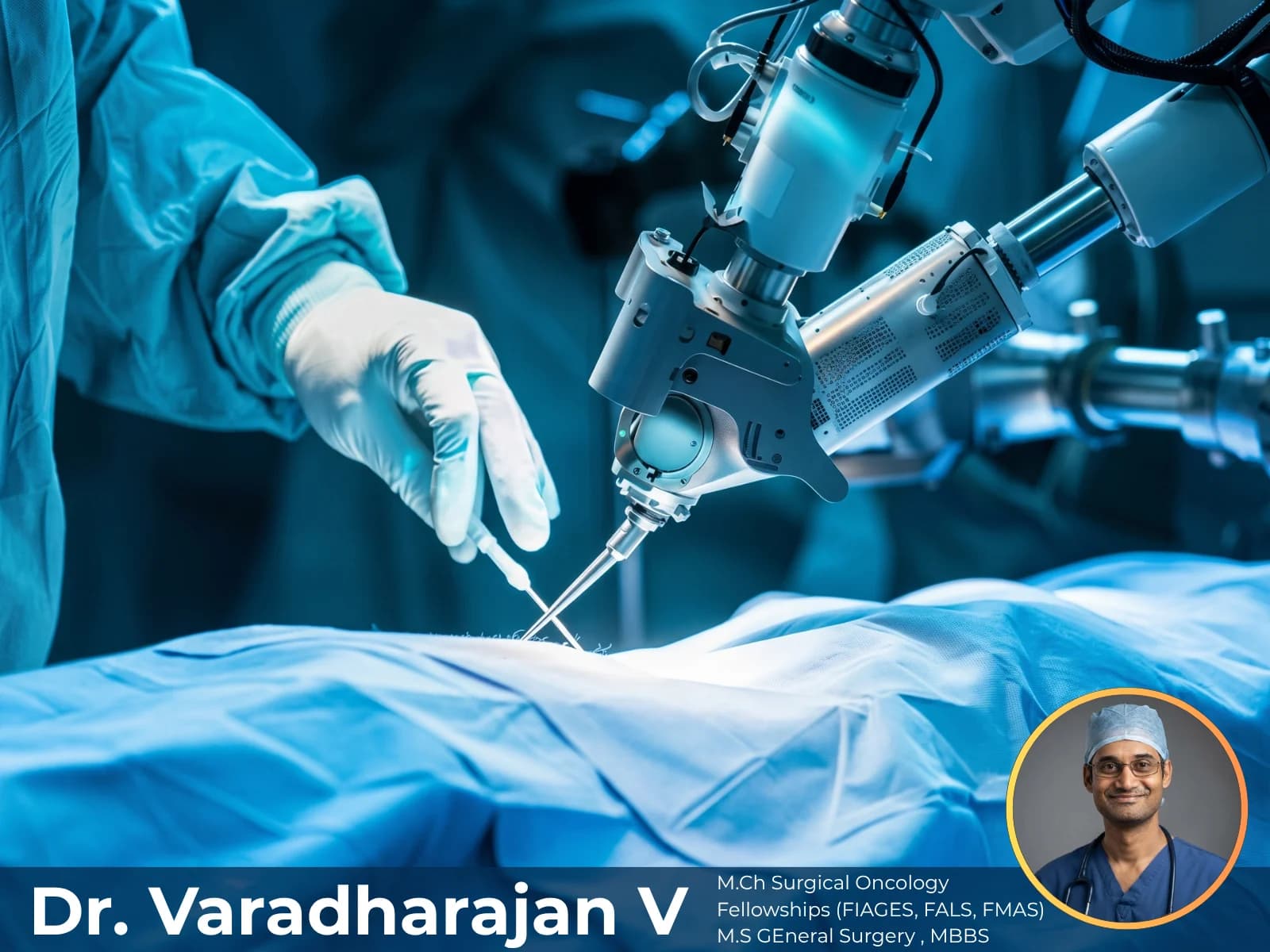
Laparoscopic & Robotic GI Surgery: Key Facts
- Keyhole surgery for GI cancers and benign conditions using laparoscopic or robotic systems
- The robot is fully controlled by the surgeon at every step
- More than 3,500 minimal access surgeries performed
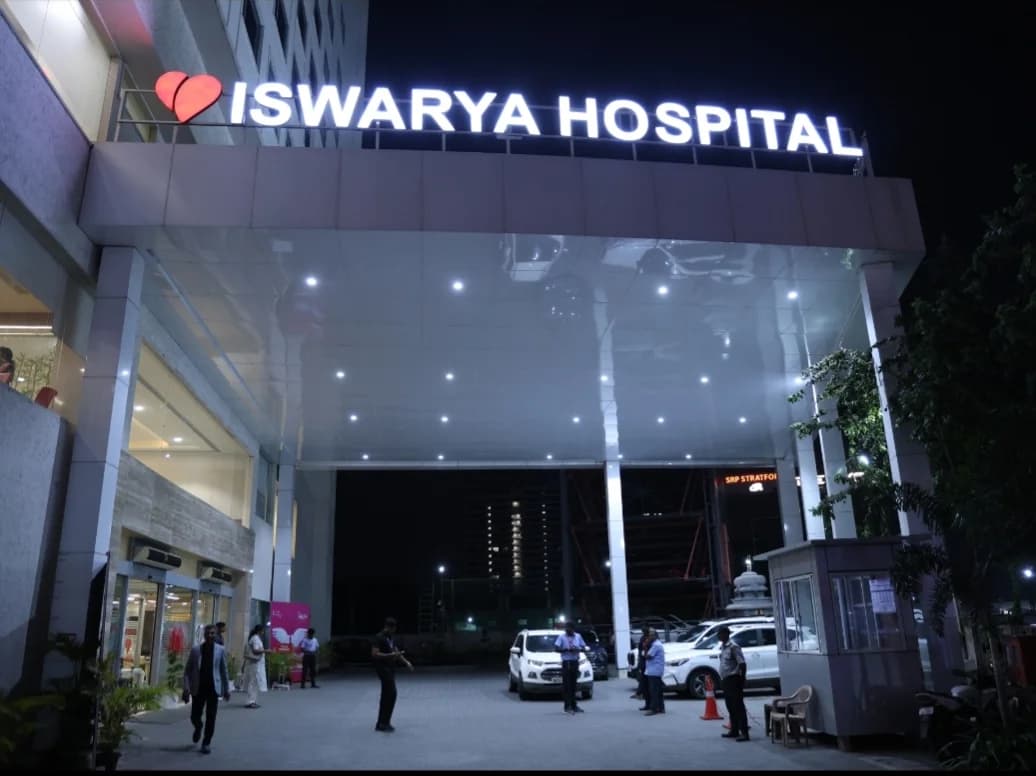
- Performed at Iswarya Hospital, Tharamani, Chennai
- Video consultation available on WhatsApp
Advanced Laparoscopic & Robotic GI Surgery
Laparoscopic and robotic GI surgery are minimally invasive techniques used to treat a wide range of gastrointestinal conditions, including stomach, colorectal, hepatobiliary, and small bowel diseases. Surgeons operate through tiny keyhole incisions using a high-definition camera for magnified views. Robotic systems further enhance precision with wristed instruments and 3D visualisation, enabling safer and more controlled movements. These approaches reduce blood loss, pain, hospital stay, and complications while maintaining excellent surgical accuracy. They are now standard for many GI cancers, benign diseases, and reconstructive procedures.
Precision GI Surgery With Minimally Invasive Technology
Minimally invasive GI surgery allows surgeons to access complex abdominal structures with exceptional clarity and precision. Laparoscopy offers enhanced visualisation, while robotic systems provide superior dexterity, making it easier to perform complex dissections around critical vessels and organs. These methods improve patient comfort, preserve organ function, and accelerate return to normal activity. They are highly effective for colorectal cancers, gastric tumours, gallbladder issues, hernias, and several benign and malignant GI conditions. When used in the right patient, these techniques significantly enhance outcomes and long-term recovery.
Modern Gastrointestinal Surgery for Faster Recovery
Robotic and laparoscopic GI surgery are designed to reduce the physical impact of surgery without compromising oncologic or functional results. By avoiding large incisions, these methods lead to quicker mobilisation, reduced wound complications, and minimal scarring. They allow surgeons to perform intricate tasks through small ports using advanced instruments, making them ideal for complex colorectal, gastric, pancreatic, and hernia surgeries. Patients benefit from less postoperative discomfort, lower infection rates, and shorter hospital stays, all contributing to improved recovery, better quality of life, and excellent surgical precision.
When Each Approach Is Chosen
Standard laparoscopy suits most routine keyhole procedures. The robotic platform earns its place where wristed instruments and a magnified three-dimensional view change what can be done safely through small ports, such as deep pelvic dissection or fine work near major vessels. The recommendation comes from the specifics of the case rather than the technology itself.
Why Laparoscopic / Robotic GI Surgery Is Used
Safe, effective, and precise management of GI diseases.
- Enables accurate cancer removal with minimal trauma
- Reduces complications compared to open abdominal surgery
- Improves visibility around delicate vessels and organs
- Supports organ-preserving approaches when possible
- Enhances long-term outcomes for both benign and malignant conditions
Who Are Suitable Candidates
Patients selected based on disease type and surgical complexity.
- Individuals with stomach, colorectal, liver, or small-bowel diseases
- Patients with early-stage or selected advanced GI cancers
- People requiring hernia, gallbladder, or reflux surgery
- Patients medically fit for laparoscopic or robotic anesthesia
- Individuals assessed by a multidisciplinary GI or oncology team
Advantages
Faster recovery, better comfort, and excellent surgical precision.
- Smaller incisions and reduced postoperative pain
- Quicker return to daily activities and work
- Lower infection and wound complication rates
- Greater precision in complex dissections with robotic systems
- Improved cosmetic results with minimal scarring
What to Expect After Surgery
Smooth recovery supported by enhanced care protocols.
- Early walking encouraged within hours of surgery
- Minimal wound discomfort due to small port incisions
- Faster bowel recovery compared to open surgery
- Most patients discharged earlier than traditional surgery
- Regular follow-ups ensure good healing and long-term outcomes
Conditions Treated
Effective for a wide range of gastrointestinal diseases.
- Stomach and colorectal cancers requiring precise resection
- Gallbladder stones and biliary tract conditions
- Hernias including inguinal, ventral, and hiatal
- Liver, pancreas, and small bowel tumours
- Reflux disease, obesity-related GI issues, and benign masses
Preparing for Keyhole GI Surgery
What usually happens beforehand
- Imaging and endoscopy confirm the approach is technically suitable
- Anaesthesia fitness is assessed before the operation
- Bowel preparation may be needed for colorectal procedures
- You are advised which medicines to pause before surgery
Recovery and Follow-Up
What keyhole recovery typically looks like
- Walking is encouraged within hours of the operation
- Discharge is usually earlier than after open surgery
- Port-site dressings are small and heal quickly
- Follow-up visits track healing and any ongoing cancer surveillance
Questions to Ask Your Surgeon
Useful things to clarify
- Is robotic or standard laparoscopic surgery better for my case?
- What are the chances of converting to open surgery?
- When can I eat normally and return to work?
- Will my recovery plan change if a stoma is needed?
Medically reviewed by Dr. Varadharajan V, Surgical Oncologist (M.Ch Surgical Oncology), Iswarya Hospital, Chennai, Tamil Nadu, India · Tamil Nadu Medical Council Reg. No. 90663 · Last reviewed: September 2026

Frequently Asked Questions
Need answers? Find them here...
No. The robotic system is entirely controlled by the surgeon at every moment, it cannot act independently. It translates the surgeon's hand movements into precise, wristed instrument motion inside the body with a magnified 3D view, which is what makes delicate dissection around vessels and organs safer.
A wide range, stomach and colorectal cancers, gallbladder and biliary conditions, hernias, liver, pancreas and small-bowel tumours, reflux disease, and benign masses. Suitability depends on the specific condition, its stage, and whether a minimally invasive approach can achieve the same complete result as open surgery.
Candidates typically include patients with early-stage or selected advanced GI cancers, or those needing hernia, gallbladder, or reflux surgery, who are medically fit for anaesthesia. Your imaging, disease type, and surgical complexity are assessed, often by a multidisciplinary team, before a minimally invasive approach is confirmed.
Walking is encouraged within hours of surgery, and bowel function typically returns faster than after open surgery. Most patients resume diet progressively and are discharged earlier than with traditional surgery. Small port incisions also mean less wound discomfort during the recovery period.
Related Treatments

GI Oncology
Comprehensive surgical treatment for gastrointestinal cancers and tumors.

Minimal Access Surgery
Less invasive cancer surgery with faster recovery and smaller incisions.

HIPEC
Advanced heated chemotherapy delivered directly during abdominal surgery.
Travelling for treatment? See guidance for patients coming from outside Chennai.
This page is general education about laparoscopic & robotic gi surgery and is not personal medical advice. Diagnosis, stage and fitness decide the right treatment for each person. Please consult Dr. Varadharajan V or your own oncologist for advice on your situation. In an emergency, go to the nearest hospital.
Location & Contact
Contact Information
Address
110, Rajiv Gandhi Salai, OMR, Tharamani, Chennai 600041, Tamil Nadu
Working Hours
Mon to Sat, 9:00 AM to 5:00 PM · Sunday closed
Phone
+91 94442 64315Book an Appointment
Online booking is temporarily unavailable. Please call +91 94442 64315 or message us on WhatsApp.