GI & Abdominal
HIPEC
Heated chemotherapy delivered directly where microscopic disease remains.
Book an appointment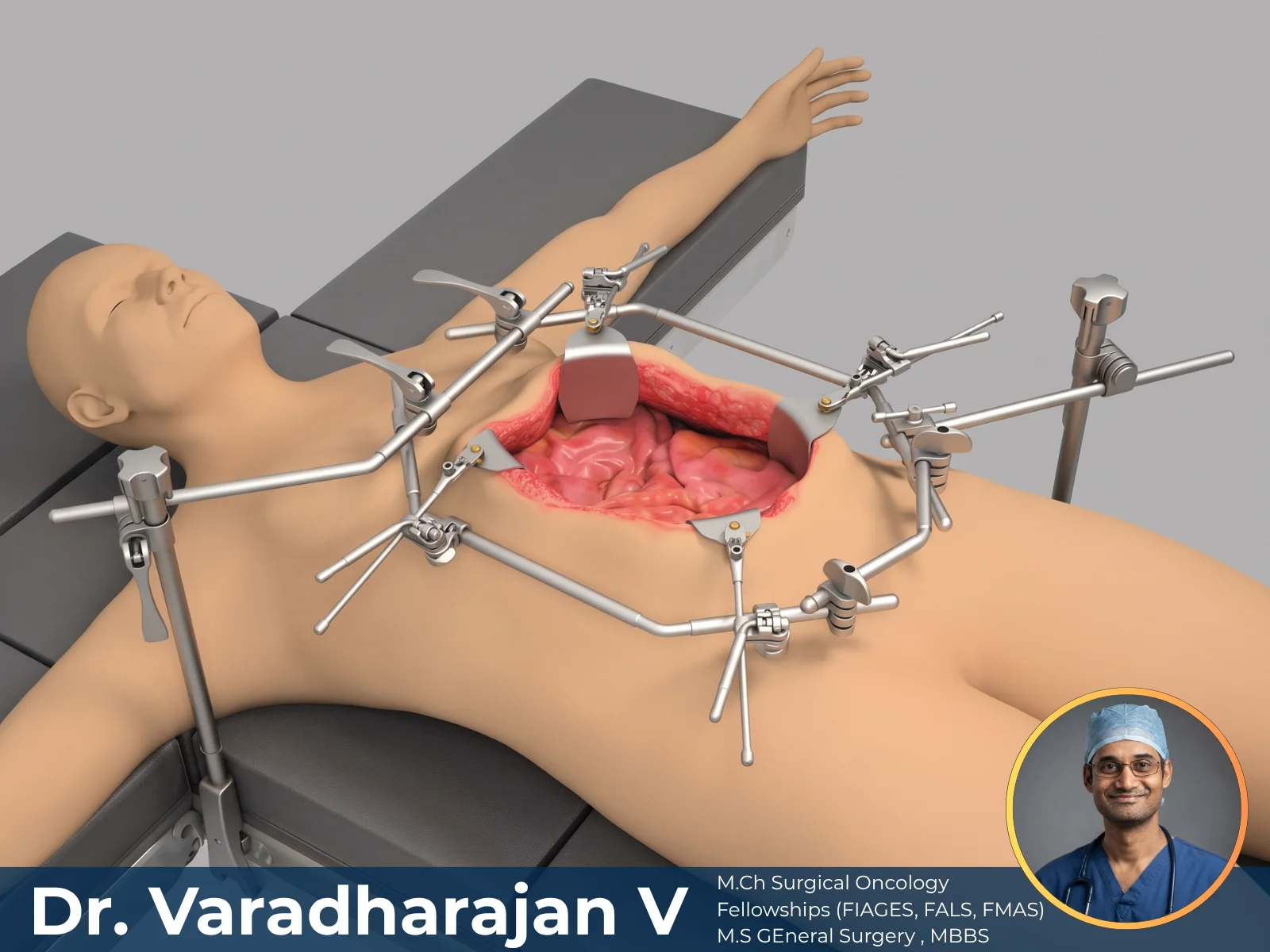
HIPEC: Key Facts
- Heated chemotherapy delivered inside the abdomen during cancer surgery
- For selected peritoneal surface cancers such as ovarian, colorectal and appendiceal
- Given directly after all visible tumour is removed
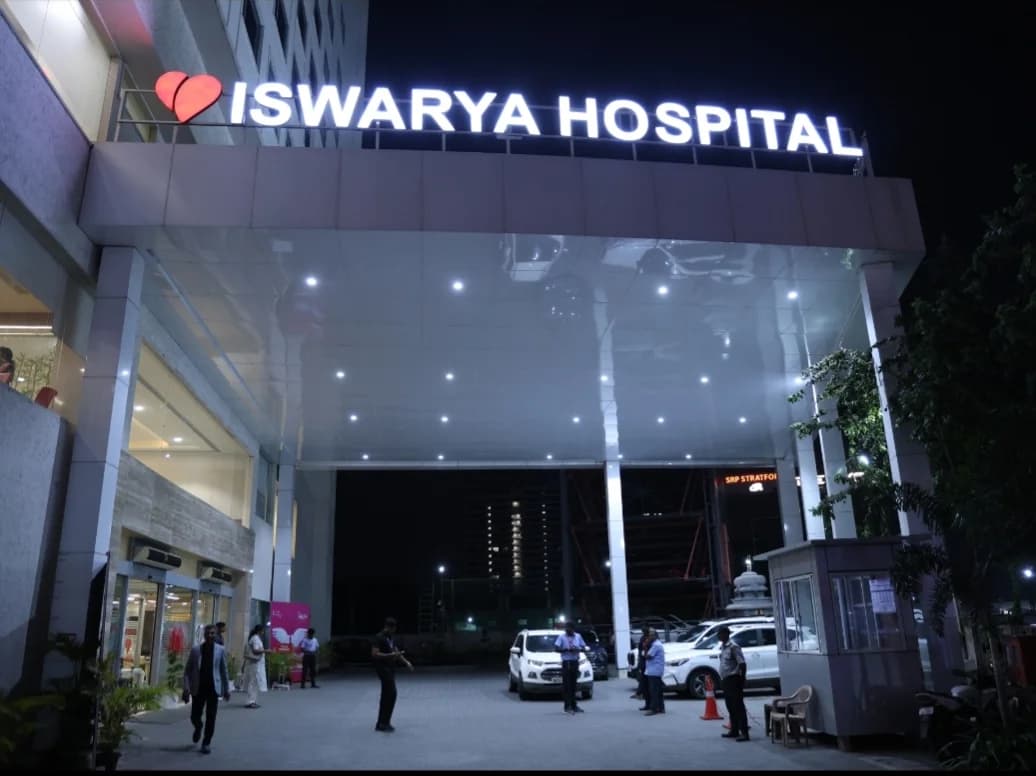
- Performed at Iswarya Hospital, Tharamani, Chennai
- Video consultation available on WhatsApp
Advanced HIPEC Cancer Therapy
HIPEC (Heated Intraperitoneal Chemotherapy) is an advanced treatment performed immediately after cytoreductive surgery to eliminate microscopic tumour cells remaining in the abdominal cavity. During the procedure, a heated chemotherapy solution is circulated for a fixed duration to enhance drug penetration and maximise cancer cell destruction. The heat improves the effectiveness of the chemotherapy while keeping systemic toxicity low because the drug remains confined within the abdomen. This combined surgical and chemotherapeutic approach offers significantly better disease control for selected abdominal cancers, particularly when complete or near-complete tumour removal is achieved during cytoreductive surgery.
Precision HIPEC for Abdominal Cancers
HIPEC offers a focused and highly localised treatment option for cancers involving the peritoneal lining. After surgically removing visible disease, the abdomen is filled with heated chemotherapy to target remaining microscopic tumour cells that cannot be seen or safely resected. This heat-enhanced delivery improves tissue absorption and drug effectiveness, reducing the risk of recurrence. HIPEC has shown meaningful survival benefits in well-selected patients with ovarian, colorectal, gastric, appendiceal cancers, and peritoneal surface malignancies. When combined with optimal cytoreductive surgery, it provides a powerful therapeutic strategy that improves long-term outcomes and disease control.
Targeted Intra-Abdominal Chemotherapy
HIPEC allows surgeons to deliver chemotherapy directly to the source of disease at higher concentrations than traditional intravenous methods, without exposing the entire body to high drug levels. Because the heated chemotherapy remains within the abdominal cavity, patients experience fewer systemic side effects, improved tolerance, and enhanced treatment precision. This approach is especially effective for cancers that spread within the peritoneal cavity, where microscopic deposits are difficult to detect or remove surgically. HIPEC significantly improves local tumour control, reduces recurrence rates, and offers selected patients a meaningful improvement in long-term survival when paired with cytoreductive surgery.
Who May Be Considered for HIPEC
HIPEC is considered when cancer is confined to the peritoneal surfaces and all visible disease can be removed surgically first. Suitability depends on the cancer type, how much disease is present, and whether the patient is fit for a long operation. It is not advised when disease has spread beyond the abdomen or cannot be cleared, because the benefit depends on complete removal beforehand.
Why HIPEC Is Used
Enhancing cancer control with focused heated chemotherapy.
- Provides high-concentration chemotherapy directly to the abdominal cavity
- Heat improves drug penetration and increases cancer cell destruction
- Reduces systemic toxicity compared to intravenous chemotherapy
- Targets microscopic tumour cells left behind after CRS
- Lowers recurrence risk in selected abdominal cancers
Who Are Suitable Candidates
For patients with specific peritoneal-based cancers.
- Those diagnosed with peritoneal surface malignancies (PSM)
- Patients with ovarian, colorectal, gastric, or appendiceal cancers
- Individuals with pseudomyxoma peritonei or peritoneal mesothelioma
- Patients medically fit for major cytoreductive surgery
- Candidates evaluated and approved by a multidisciplinary tumour board
Advantages of HIPEC
Improved outcomes with heat-enhanced chemotherapy delivery.
- Higher local drug concentration without systemic side effects
- Better local disease control and reduced recurrence rates
- Proven survival benefit in well-selected patients
- Minimises exposure to whole-body chemotherapy toxicity
- Complements cytoreductive surgery for superior overall outcomes
Preparing for Cytoreductive Surgery with HIPEC
What happens before this major operation
- Detailed imaging and often laparoscopy map how much disease is present
- Tumour board approval is required before listing for surgery
- Nutrition and fitness are optimised in the weeks beforehand
- A longer hospital stay is planned and explained in advance
Recovery and Follow-Up
After cytoreduction and HIPEC
- Early recovery is closely monitored, sometimes in a high-dependency unit
- Eating and activity return gradually over several weeks
- Follow-up imaging tracks healing and watches for recurrence
- Further chemotherapy may be discussed depending on final pathology
Questions to Ask Your Surgeon
Important points to clarify beforehand
- Is my disease confined enough for HIPEC to help?
- How long is the operation and the hospital stay likely to be?
- What are the main risks I should weigh?
- What happens if complete removal proves impossible at surgery?
Medically reviewed by Dr. Varadharajan V, Surgical Oncologist (M.Ch Surgical Oncology), Iswarya Hospital, Chennai, Tamil Nadu, India · Tamil Nadu Medical Council Reg. No. 90663 · Last reviewed: September 2026

Frequently Asked Questions
Need answers? Find them here...
No. Unlike intravenous chemotherapy, HIPEC delivers a heated chemotherapy solution directly into the abdominal cavity during surgery, immediately after visible tumour is removed. The heat improves drug penetration and the drug stays confined to the abdomen, so it targets microscopic residual disease with far less whole-body exposure.
Patients with peritoneal surface malignancies, including selected ovarian, colorectal, gastric, and appendiceal cancers, pseudomyxoma peritonei, or peritoneal mesothelioma, may be candidates. You must be medically fit for major cytoreductive surgery, and every case is evaluated and approved by a multidisciplinary tumour board.
Because the heated chemotherapy remains within the abdominal cavity rather than circulating through the whole body, systemic toxicity and whole-body side effects are reduced while drug concentration at the disease site is higher. It is still a major operation, so recovery is significant, but the chemotherapy component is far more targeted.
This is a major abdominal operation, so recovery is longer than standard surgery, hospital stay and close monitoring extend over days, with gradual return to eating and activity. Follow-up imaging and reviews continue afterward to monitor healing and watch for any recurrence of disease.
Related Treatments

GI Oncology
Comprehensive surgical treatment for gastrointestinal cancers and tumors.

Gynaecological Malignancies
Surgical treatment for cancers of the female reproductive system.

Laparoscopic & Robotic GI Surgery
Minimally invasive cancer surgery using advanced robotic technology.
Travelling for treatment? See guidance for patients coming from outside Chennai.
This page is general education about hipec and is not personal medical advice. Diagnosis, stage and fitness decide the right treatment for each person. Please consult Dr. Varadharajan V or your own oncologist for advice on your situation. In an emergency, go to the nearest hospital.
Location & Contact
Contact Information
Address
110, Rajiv Gandhi Salai, OMR, Tharamani, Chennai 600041, Tamil Nadu
Working Hours
Mon to Sat, 9:00 AM to 5:00 PM · Sunday closed
Phone
+91 94442 64315Book an Appointment
Online booking is temporarily unavailable. Please call +91 94442 64315 or message us on WhatsApp.