Gynae, Thoracic & Head-Neck
Thoracic Cancer
Surgical treatment for cancers of the lungs and chest cavity
Book an appointment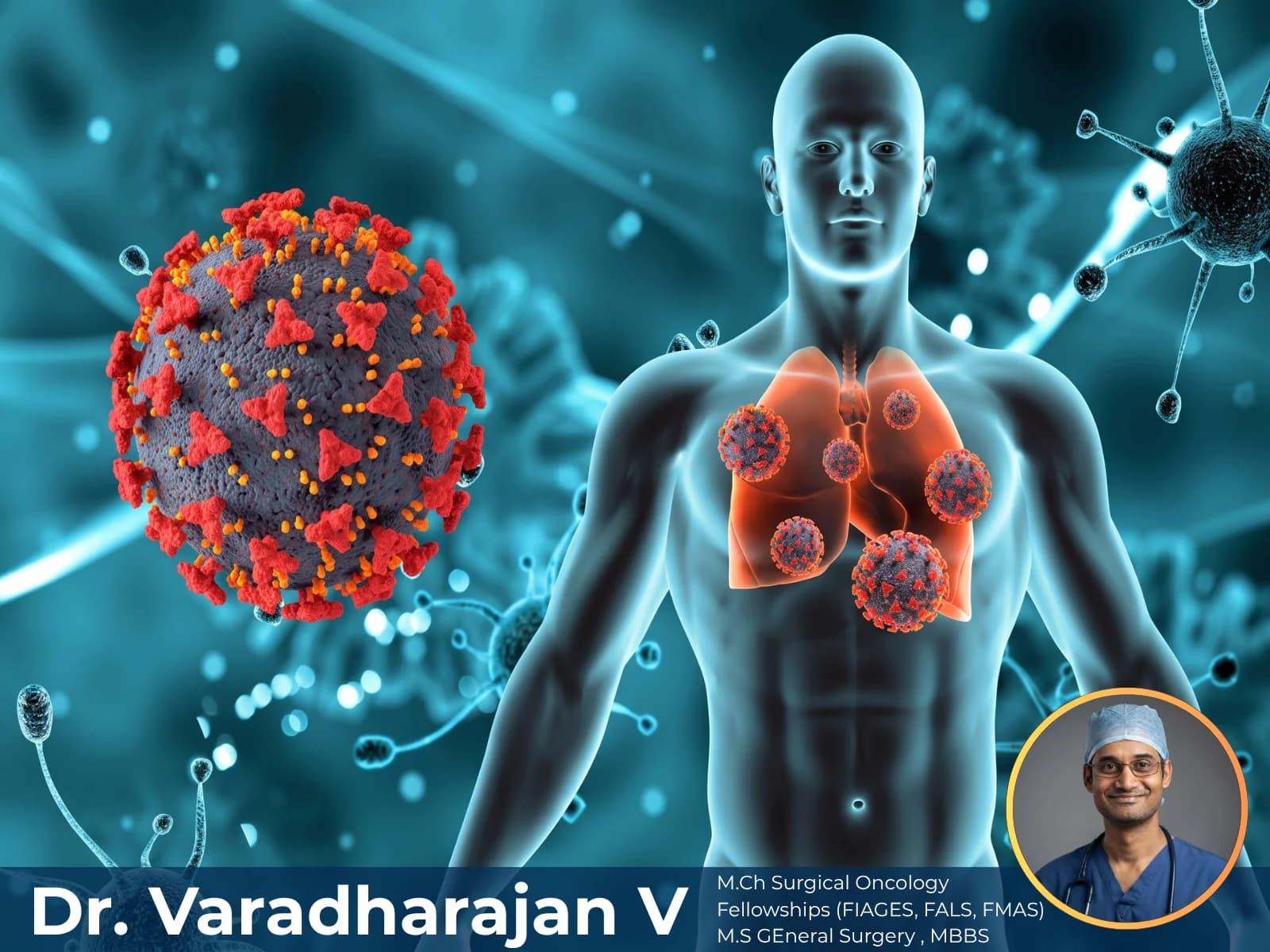
Thoracic Cancer: Key Facts
- Surgical treatment of lung and chest cavity cancers
- VATS keyhole approach used where tumour size and position allow
- Lung function is tested before any resection is planned
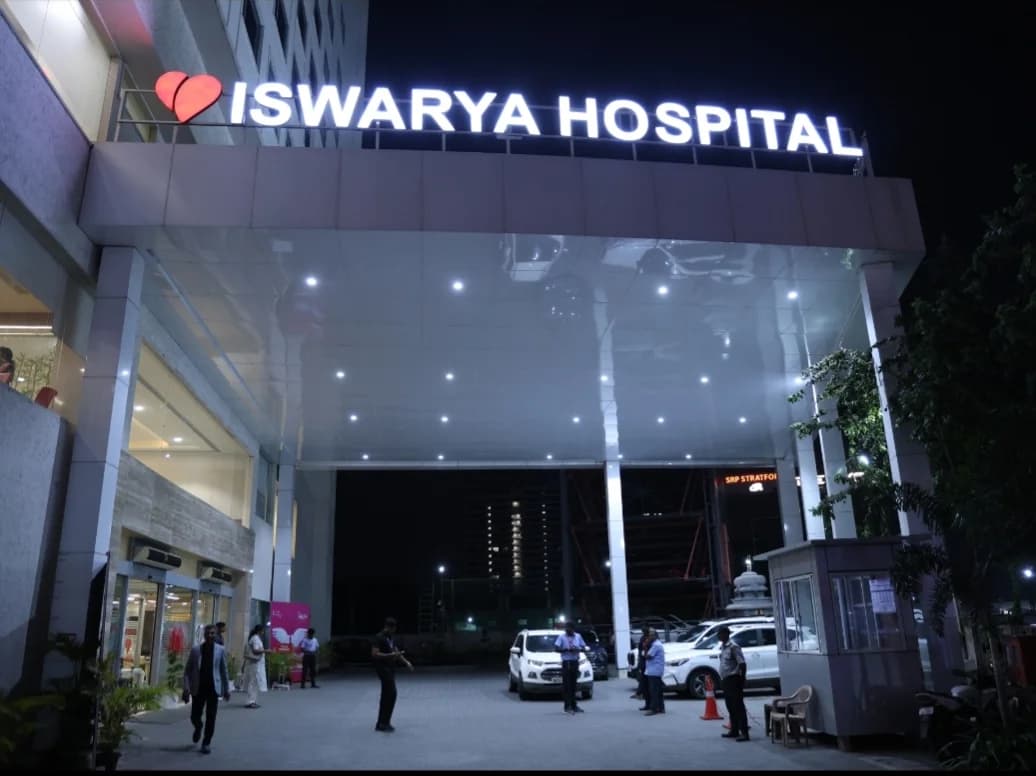
- Performed at Iswarya Hospital, Tharamani, Chennai
- Video consultation available on WhatsApp
Operating in a Complex, Vital Part of the Body
Thoracic cancer surgery deals with tumours in the lungs, chest wall, and surrounding structures, an area where the heart, major blood vessels, and airways all sit close together. Lung cancer is the most common condition treated here, and surgical removal, when the disease is caught early enough, remains one of the strongest chances of long-term cure. The chest's anatomy demands a surgeon who's comfortable working precisely in a confined space with very little room for error.
Video-Assisted and Minimally Invasive Techniques
Traditional chest surgery required opening the ribcage widely, which came with significant pain and a long recovery. VATS (video-assisted thoracoscopic surgery) has changed that for many patients, allowing lung tissue to be removed through small incisions with camera guidance instead. This isn't right for every case, particularly larger or more centrally located tumours, but where it's appropriate, it makes a real difference to how quickly a patient gets back on their feet.
Matching the Operation to the Disease
The extent of thoracic surgery depends on the tumour's size, position, and stage. Early peripheral lung cancers can often be treated by removing a single lobe through keyhole incisions, with lymph nodes sampled at the same time for accurate staging. Larger or centrally placed tumours may call for open surgery, and occasionally removal of more than one lobe. Before anything is decided, lung function testing confirms the patient can safely tolerate the planned resection, an assessment that shapes the recommendation as much as the scans do.
Conditions Treated
Thoracic cancers commonly managed
- Lung cancer, both early and locally advanced stages
- Chest wall tumours
- Mediastinal (central chest) tumours
- Cancers that have spread to the lung from elsewhere in the body
- Pleural conditions requiring surgical diagnosis or treatment
Who Should Seek an Evaluation
Symptoms and situations that warrant referral
- A lung nodule or mass found on chest X-ray or CT scan
- Persistent cough, chest pain, or coughing up blood
- Unexplained weight loss alongside respiratory symptoms
- A confirmed lung cancer diagnosis being assessed for surgery
- Smoking history combined with new or worsening respiratory symptoms
What Treatment Typically Involves
How thoracic cancer care is approached
- Detailed imaging, including CT and often PET scan, before any surgery
- Lung function testing to confirm a patient can safely tolerate surgery
- VATS (minimally invasive) surgery where the tumour and location allow
- Open thoracic surgery for larger or more complex cases
- Multidisciplinary planning with medical and radiation oncology when needed
Why Minimally Invasive Surgery Is Preferred Where Possible
The advantages of avoiding an open thoracotomy
- Small incisions spare the ribs and chest wall muscles from being spread
- Considerably less postoperative pain than open chest surgery
- Earlier walking and deep breathing, reducing chest infection risk
- Shorter hospital stay and faster return to normal activity
- Oncologic outcomes comparable to open surgery in suitable cases
What to Expect After Chest Surgery
The typical recovery course
- A temporary chest drain while the remaining lung re-expands
- Breathing exercises and early walking from the first day
- Most keyhole-surgery patients home within three to five days
- Gradual return to full activity over the following weeks
- Scheduled scans and reviews to monitor recovery and check for recurrence
Medically reviewed by Dr. Varadharajan V, Surgical Oncologist (M.Ch Surgical Oncology), Iswarya Hospital, Chennai, Tamil Nadu, India · Tamil Nadu Medical Council Reg. No. 90663 · Last reviewed: September 2026

Frequently Asked Questions
Need answers? Find them here...
No, suitability depends on the tumour. Early peripheral lung cancers are often well suited to VATS (video-assisted) removal through small incisions, while larger or centrally located tumours may require open surgery. The decision is based on size, position, and stage shown on your scans.
Lung function testing measures whether you can safely tolerate removal of part of the lung, alongside cardiac assessment and evaluation of your overall fitness for anaesthesia. This testing shapes the surgical recommendation as much as the scans do, an operation is only planned within what your remaining lung can support.
For most patients, the remaining lung adapts well, especially when the resection is planned within tested lung function limits. Breathing exercises begin from the first day after surgery to help lung expansion, and recovery protocols support a steady return to normal activity over the following weeks.
A temporary chest drain is placed while the lung re-expands, with early walking and breathing exercises from day one. Keyhole-surgery patients typically go home within three to five days; open surgery takes longer. Scheduled scans and reviews afterward monitor healing and watch for recurrence.
Related Treatments

VATS Lobectomy
Minimally invasive lung surgery using video-assisted techniques.

Surgical Oncology
General surgical oncology care spanning breast, GI, gynaecological, thoracic and peritoneal cancers.

Minimal Access Surgery
Less invasive cancer surgery with faster recovery and smaller incisions.
Travelling for treatment? See guidance for patients coming from outside Chennai.
This page is general education about thoracic cancer and is not personal medical advice. Diagnosis, stage and fitness decide the right treatment for each person. Please consult Dr. Varadharajan V or your own oncologist for advice on your situation. In an emergency, go to the nearest hospital.
Location & Contact
Contact Information
Address
110, Rajiv Gandhi Salai, OMR, Tharamani, Chennai 600041, Tamil Nadu
Working Hours
Mon to Sat, 9:00 AM to 5:00 PM · Sunday closed
Phone
+91 94442 64315Book an Appointment
Online booking is temporarily unavailable. Please call +91 94442 64315 or message us on WhatsApp.