GI & Abdominal
Minimal Access Surgery
Keyhole techniques that reduce trauma without compromising cancer care
Book an appointment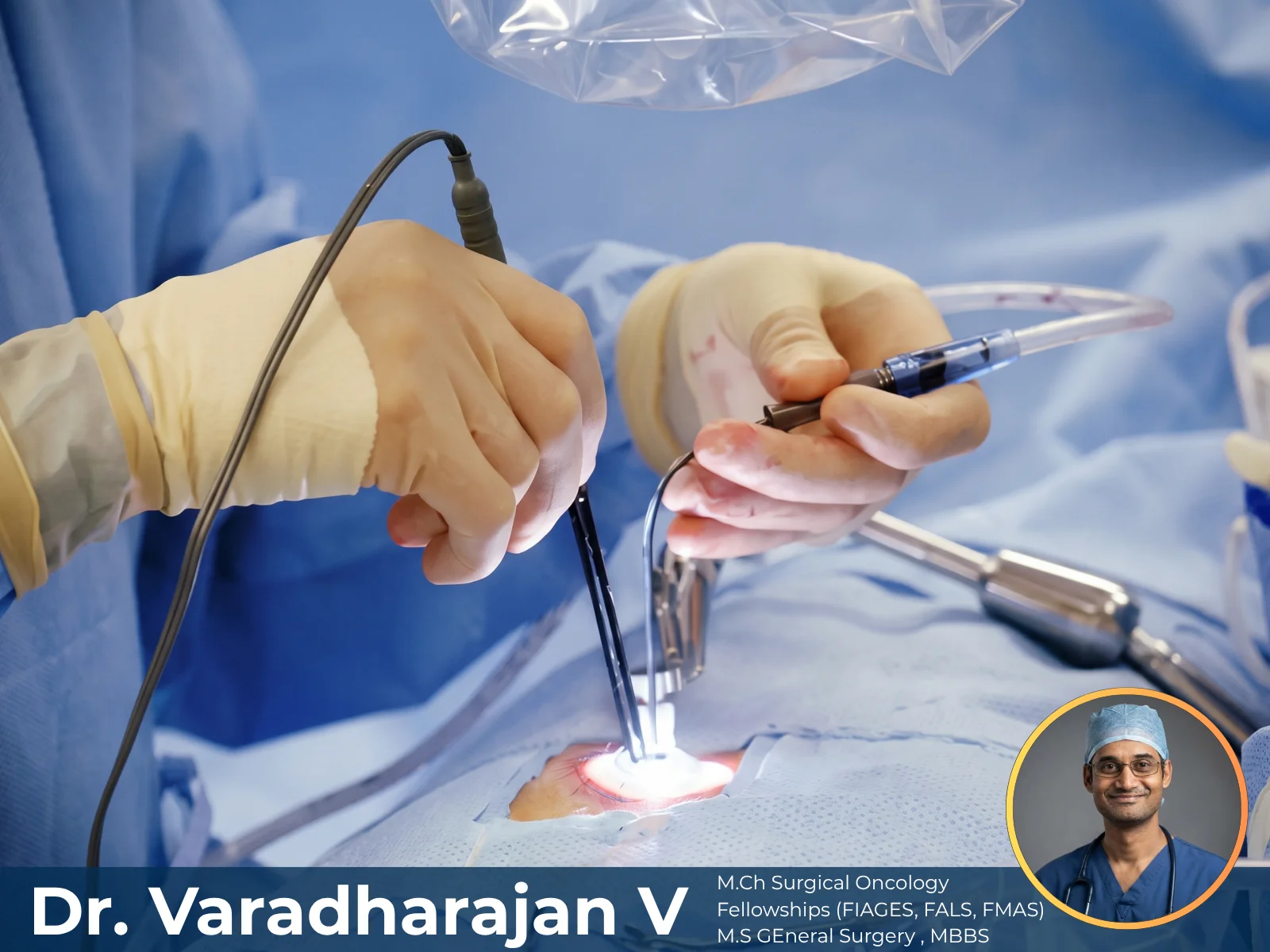
Minimal Access Surgery: Key Facts
- Keyhole techniques for suitable cancers and general surgical conditions
- Smaller incisions mean less pain and a faster return to activity
- More than 3,500 minimal access surgeries performed
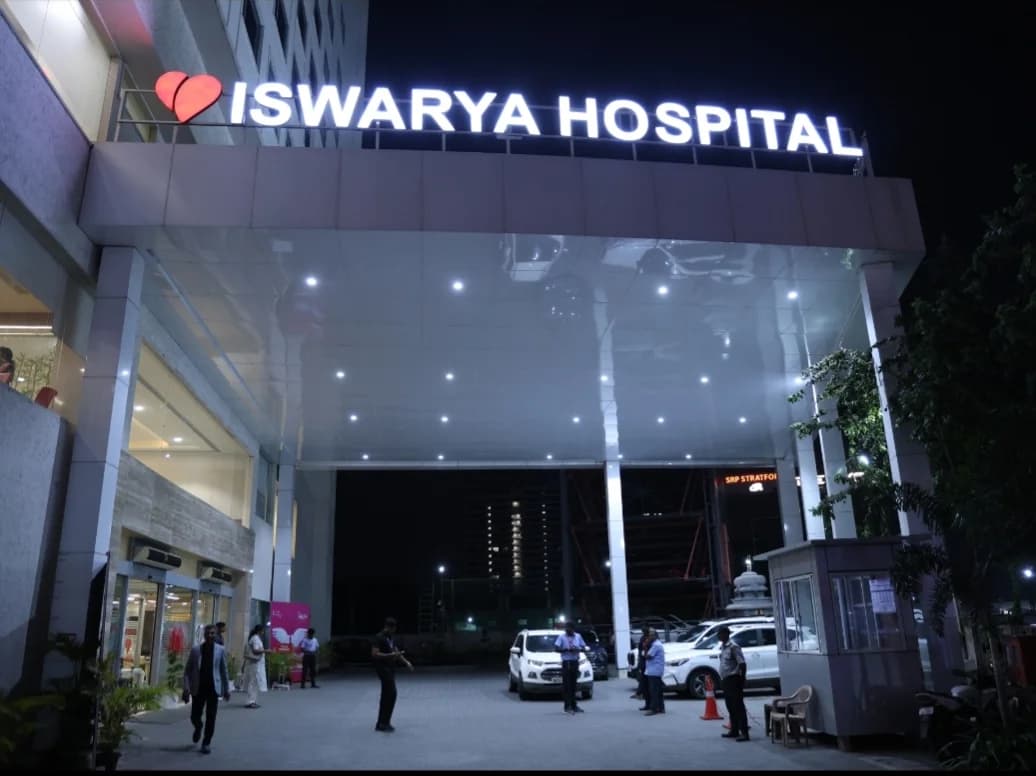
- Performed at Iswarya Hospital, Tharamani, Chennai
- Video consultation available on WhatsApp
Smaller Incisions, Same Surgical Goal
Minimal access surgery, commonly known as laparoscopic or keyhole surgery, uses small incisions and a camera to perform operations that once required a large open cut. In cancer surgery specifically, this approach has to meet the same standard as open surgery: complete removal of the tumour with clear margins. It isn't chosen because it's easier; it's chosen when it can achieve the identical oncologic outcome while giving the patient a faster, less painful recovery.
Where Robotic Systems Add Further Precision
Robotic-assisted surgery takes minimal access techniques a step further, giving the surgeon a magnified 3D view and wristed instruments that move with more range than the human hand. This is particularly useful in tight anatomical spaces, such as around the pelvis or deep in the abdomen, where precision around blood vessels and nerves matters. Not every case needs robotic assistance, but where it's available and appropriate, it can meaningfully improve accuracy.
Laparoscopic or Robotic, How the Choice Is Made
Standard laparoscopy suits most routine keyhole procedures and is widely available. Robotic assistance tends to earn its place in more demanding territory: deep pelvic work, fine dissection close to major vessels, or reconstruction steps where the extra instrument control genuinely changes what can be done safely through small ports. The decision is made on the specifics of the case, not on the novelty of the technology, the goal is always the safest route to a complete operation, whichever platform delivers it.
Who Is a Good Candidate for Keyhole Surgery
A minimally invasive approach is generally suitable when the disease is localised, the operative area is accessible through ports, and the patient is fit for general anaesthesia. It is less suitable for very large tumours, disease involving many organs, or abdomens heavily scarred by previous surgery. Where keyhole surgery cannot match the result of an open operation, the open approach is recommended instead.
Where Minimal Access Techniques Are Used
Procedures commonly performed this way
- Laparoscopic and robotic GI cancer surgery
- Minimally invasive gynaecological cancer surgery
- Hernia repair and gallbladder removal
- Selected thoracic procedures via small port incisions
- Diagnostic laparoscopy to assess extent of disease before major surgery
Benefits Compared to Open Surgery
What patients typically experience
- Smaller incisions and noticeably less scarring
- Reduced post-operative pain in most cases
- Shorter hospital stays and quicker return to daily activities
- Lower rates of wound infection compared to large open incisions
- Faster recovery of bowel function after abdominal procedures
When This Approach May Not Be Suitable
Honest limitations worth knowing
- Very large tumours where safe removal needs open access
- Extensive disease involving multiple organs or structures
- Certain prior surgeries that make keyhole access more difficult
- Emergency situations requiring immediate open surgery
- Cases where converting to open surgery mid-procedure is the safer choice
Who Is a Good Candidate
Factors that favour a keyhole approach
- Localised disease that can be fully removed through port access
- Tumour size and position compatible with safe minimally invasive removal
- Reasonable fitness for general anaesthesia
- Limited prior abdominal surgery or scarring in the operative area
- Cases where faster recovery meaningfully benefits the patient
What to Expect After Keyhole Surgery
The recovery experience most patients report
- Walking within hours and discharge earlier than open surgery
- Small dressings over port sites rather than a large wound
- Less need for strong pain medication during recovery
- Quicker return to work and normal daily activity
- The same cancer surveillance schedule as after open surgery
Preparing for a Keyhole Procedure
What happens before surgery
- Scans confirm the disease can be safely reached through ports
- Anaesthesia fitness and routine tests are completed
- Previous operation scars are assessed during planning
- Enhanced recovery steps are explained before admission
Recovery and Follow-Up
What most patients experience
- Walking within hours and earlier discharge than open surgery
- Smaller dressings and less need for strong pain relief
- Earlier return to work and normal daily activity
- Cancer surveillance follows the same schedule as open surgery
Questions to Ask Your Surgeon
Useful things to clarify
- Am I a candidate for a keyhole approach, and why or why not?
- What happens if the operation needs to convert to open?
- How soon can I expect to resume work?
- Does the approach change my cancer surveillance afterwards?
Medically reviewed by Dr. Varadharajan V, Surgical Oncologist (M.Ch Surgical Oncology), Iswarya Hospital, Chennai, Tamil Nadu, India · Tamil Nadu Medical Council Reg. No. 90663 · Last reviewed: September 2026

Frequently Asked Questions
Need answers? Find them here...
When chosen appropriately, yes, the oncologic standard is identical: complete tumour removal with clear margins. Minimal access surgery is selected only where it can achieve that same result, not because it is easier. Where a keyhole approach would compromise completeness, open surgery is recommended instead.
Very large tumours, disease involving multiple organs, extensive scarring from previous operations, and emergencies are situations where open access is safer. Occasionally a planned keyhole procedure converts to open mid-surgery if that becomes the safer course, this is a safety decision, not a failure.
Both use small incisions and a camera. Standard laparoscopy suits most routine keyhole procedures, while robotic systems add wristed instruments and a magnified 3D view that help in demanding territory, deep pelvic work or fine dissection near major vessels. The platform is chosen on the specifics of the case.
Most patients walk within hours and are discharged earlier than after open surgery, with less pain, smaller scars, and lower wound infection rates. Return to work and normal activity is typically quicker. Cancer surveillance afterward follows the same schedule regardless of the approach used.
Related Treatments

Laparoscopic & Robotic GI Surgery
Minimally invasive cancer surgery using advanced robotic technology.

VATS Lobectomy
Minimally invasive lung surgery using video-assisted techniques.

GI Oncology
Comprehensive surgical treatment for gastrointestinal cancers and tumors.
Travelling for treatment? See guidance for patients coming from outside Chennai.
This page is general education about minimal access surgery and is not personal medical advice. Diagnosis, stage and fitness decide the right treatment for each person. Please consult Dr. Varadharajan V or your own oncologist for advice on your situation. In an emergency, go to the nearest hospital.
Location & Contact
Contact Information
Address
110, Rajiv Gandhi Salai, OMR, Tharamani, Chennai 600041, Tamil Nadu
Working Hours
Mon to Sat, 9:00 AM to 5:00 PM · Sunday closed
Phone
+91 94442 64315Book an Appointment
Online booking is temporarily unavailable. Please call +91 94442 64315 or message us on WhatsApp.