Breast
Breast Oncoplasty
Removing the tumour while preserving the natural shape of the breast
Book an appointment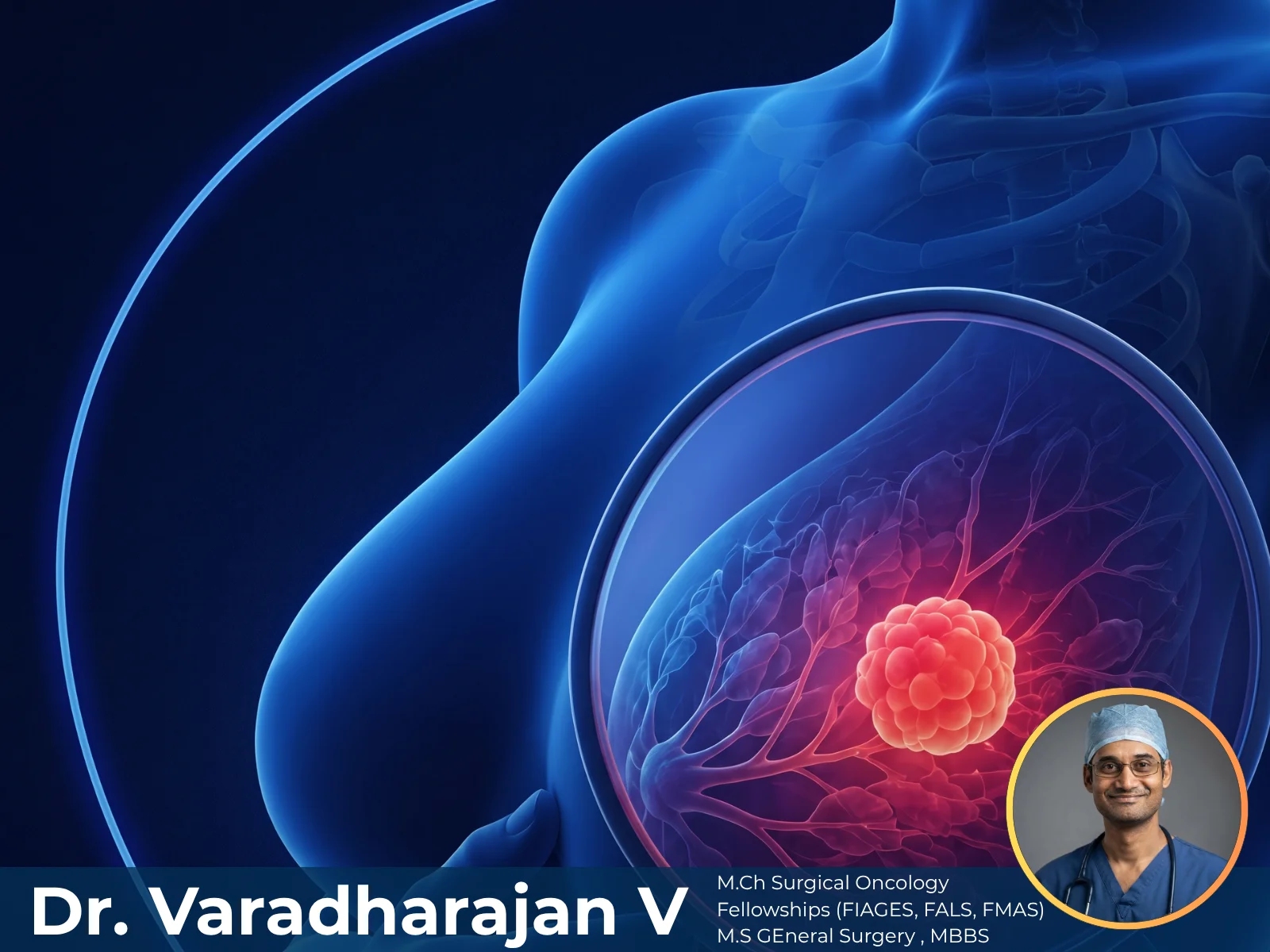
Breast Oncoplasty: Key Facts
- Combines complete tumour removal with plastic surgical reshaping of the breast
- Designed for patients suitable for breast conservation
- More than 5,000 breast surgeries performed
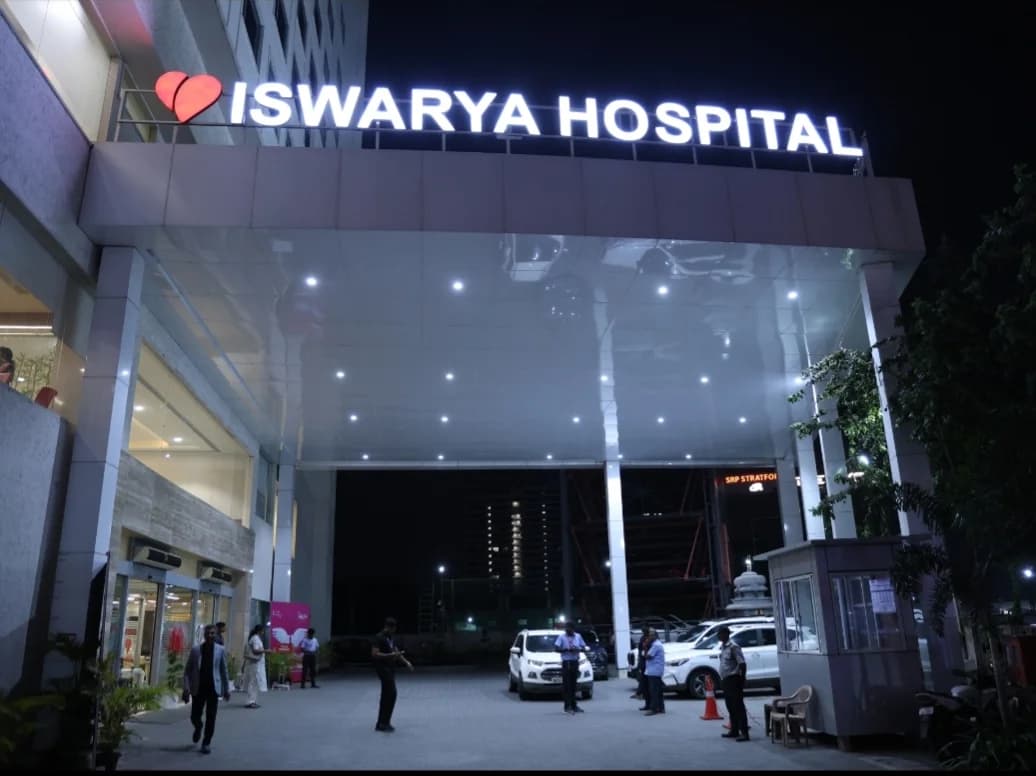
- Performed at Iswarya Hospital, Tharamani, Chennai
- Video consultation available on WhatsApp
Cancer Removal With Cosmetic Preservation
Breast oncoplasty combines cancer removal with plastic surgical techniques to preserve the breast's shape, symmetry, and cosmetic appearance. It is performed during breast-conserving surgery to remove the tumour with safe margins while maintaining optimal aesthetic outcomes. Modern oncoplastic methods allow larger tumours to be removed without deformity, reducing the need for mastectomy in many cases. This approach benefits women by improving confidence, emotional wellbeing, and long-term quality of life, while ensuring oncologic safety remains uncompromised through precise surgical planning and multidisciplinary evaluation.
Integrating Oncology and Reconstructive Principles
Oncoplastic breast surgery integrates the principles of oncology and reconstructive surgery, giving women better functional and cosmetic results after tumour removal. Techniques include glandular rearrangement, volume replacement, and symmetry procedures on the opposite breast when required. These methods allow surgeons to achieve clear surgical margins without compromising appearance. Breast oncoplasty is especially beneficial for moderate to large tumours in cosmetically sensitive areas, helping maintain natural breast contour while reducing complications like deformities or asymmetry. This approach enhances both cancer control and patient satisfaction.
Modern Techniques for Better Surgical Outcomes
Modern oncoplasty allows surgeons to perform breast-conserving surgery with greater flexibility and cosmetic predictability. By combining tumour excision with immediate reshaping, surgeons can restore breast form, avoid visible defects, and improve long-term appearance. This technique is ideal for patients with larger tumours, small breast volumes, or lesions in challenging quadrants. With careful planning and multidisciplinary coordination, oncoplasty provides excellent oncologic safety while significantly improving post-surgical aesthetics.
Who May Be Offered Oncoplasty
Oncoplastic techniques are considered when removing the tumour with clear margins would otherwise leave a visible dent or distortion, for example with moderate-sized tumours, tumours near the nipple or lower breast, or breasts where a lift or reduction pattern can hide the scar. Suitability still depends on achieving clear margins; where conservation is not safe, other surgical options are discussed instead.
Breast Cancer Symptoms
Early warning signs that need prompt evaluation.
- A new lump or thickening in the breast or underarm
- Changes in breast size, shape, or overall appearance
- Persistent breast pain on one side that does not resolve
- Nipple discharge, especially if blood-stained
- Skin changes such as dimpling, redness, peeling, or scaling
- Nipple inversion or recent inward turning of the nipple
Breast Cancer Red Flags
Serious signs that need urgent medical attention.
- A hard, fixed breast lump that does not move
- Rapidly enlarging swelling in the breast or underarm
- Sudden skin thickening or "peau d'orange" (orange peel) appearance
- Bloody or persistent unilateral nipple discharge
- Severe breast skin redness or warmth suggestive of inflammation
- Sudden new nipple inversion in adults
Breast Cancer Risk Factors
Conditions or traits that increase cancer likelihood.
- Family history of breast or ovarian cancer
- BRCA1/BRCA2 or other genetic mutations
- Long-term hormone replacement therapy
- Early menstruation or late menopause
- Obesity, alcohol consumption, and unhealthy lifestyle
- Prior chest radiation exposure
When to See a Doctor
Seek prompt evaluation for any concerning breast change.
- A new or persistent breast or underarm lump
- Visible change in size, contour, or nipple orientation
- Any breast skin change that does not resolve
- Unexplained pain lasting more than a few weeks
- Spontaneous nipple discharge, especially if bloody
- Family history of breast cancer plus new symptoms
Preparing for Oncoplastic Surgery
Steps before the operation
- Imaging maps the tumour so the reshaping pattern can be planned
- A symmetry procedure on the other breast is discussed if relevant
- Anaesthesia fitness and routine blood tests are completed
- Photographs may be taken for surgical planning and comparison
Recovery and Follow-Up
What to expect after oncoplasty
- Swelling and bruising settle gradually over the first few weeks
- Radiation therapy usually follows as part of breast conservation
- The final pathology report confirms margins around the tumour
- Scars continue to soften and fade over the following months
Questions to Ask Your Surgeon
Worth clarifying before you decide
- Will reshaping change how clearly margins can be confirmed?
- Do I need a matching procedure on the other breast?
- What will the scar look like once healed?
- How will radiation affect the cosmetic result over time?
Medically reviewed by Dr. Varadharajan V, Surgical Oncologist (M.Ch Surgical Oncology), Iswarya Hospital, Chennai, Tamil Nadu, India · Tamil Nadu Medical Council Reg. No. 90663 · Last reviewed: September 2026

Frequently Asked Questions
Need answers? Find them here...
Oncoplasty is especially useful for moderate to large tumours relative to breast size, tumours in cosmetically sensitive areas, and patients who want to avoid mastectomy. Suitability depends on achieving clear cancer margins, the tumour removal always takes priority, and reshaping is built around whatever margin is required.
No. Oncoplastic surgery follows the same clear-margin standard as standard breast-conserving surgery. The reshaping is planned around the cancer removal, never instead of it, and studies support comparable cancer control when margins are clear. Oncology leads; the plastic surgical technique follows.
Sometimes. When reshaping one breast would leave a noticeable difference, a symmetry procedure such as a lift or reduction on the opposite breast can be done in the same operation for a balanced result. This is optional and is discussed during planning so you can decide what matters most to you.
Recovery is similar to standard breast-conserving surgery, most patients go home within a day or two. There may be more swelling initially because of the reshaping, settling over the following weeks. The pathology report confirms margins, and radiation therapy usually follows as part of breast conservation.
Related Treatments

Breast Cancer Surgeries
Surgical removal of breast tumours with focus on preservation and aesthetics.

Benign Breast Condition Surgery
Treatment of non-cancerous breast conditions using minimally invasive techniques.
Travelling for treatment? See guidance for patients coming from outside Chennai.
This page is general education about breast oncoplasty and is not personal medical advice. Diagnosis, stage and fitness decide the right treatment for each person. Please consult Dr. Varadharajan V or your own oncologist for advice on your situation. In an emergency, go to the nearest hospital.
Location & Contact
Contact Information
Address
110, Rajiv Gandhi Salai, OMR, Tharamani, Chennai 600041, Tamil Nadu
Working Hours
Mon to Sat, 9:00 AM to 5:00 PM · Sunday closed
Phone
+91 94442 64315Book an Appointment
Online booking is temporarily unavailable. Please call +91 94442 64315 or message us on WhatsApp.