Gynae, Thoracic & Head-Neck
VATS Lobectomy
Removing a diseased lung lobe through small incisions, guided by camera
Book an appointment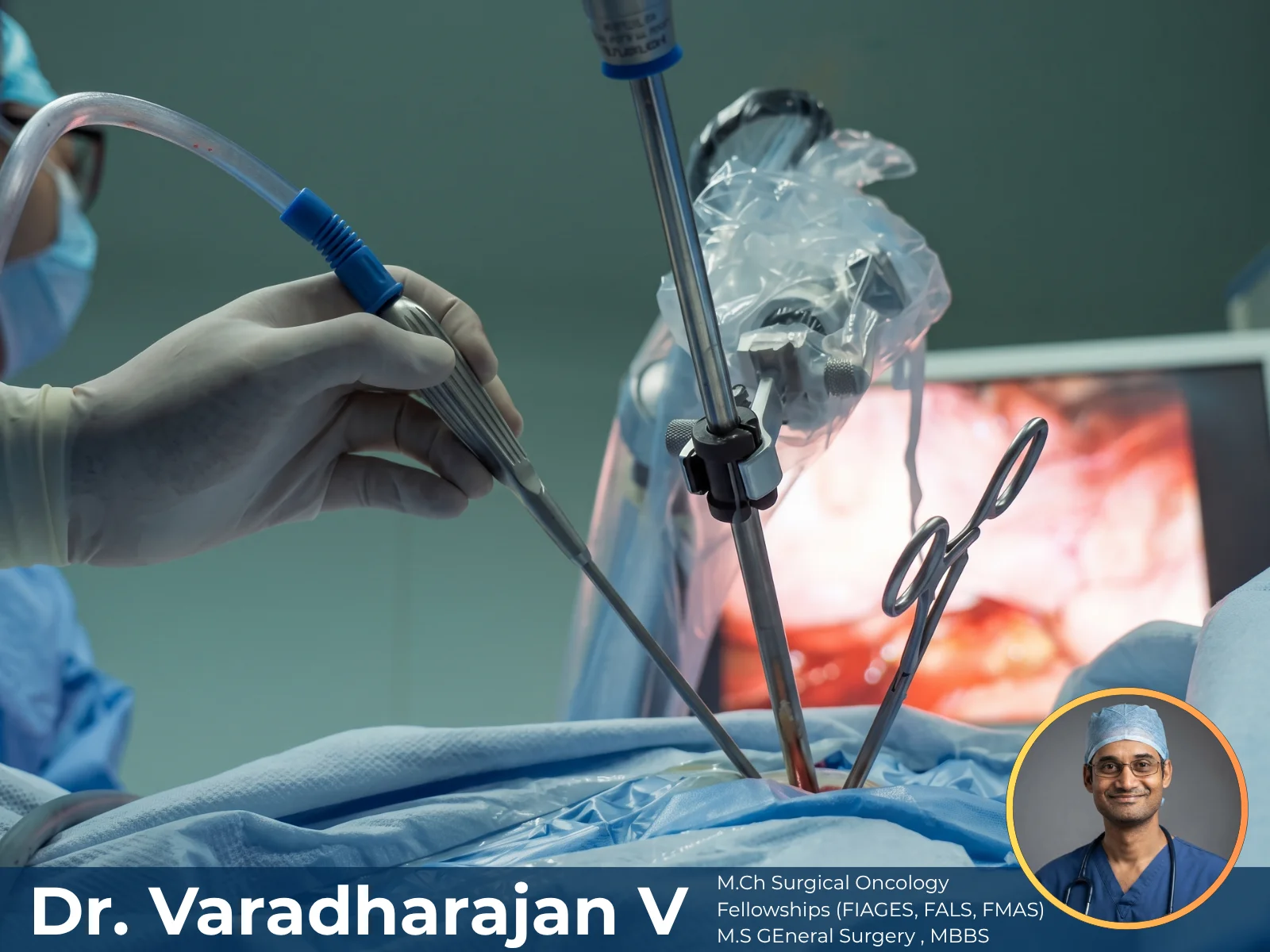
VATS Lobectomy: Key Facts
- Removal of a lung lobe through 2 to 3 small incisions using a camera
- The same lobe and lymph nodes are removed as in open surgery
- Most patients go home within 3 to 5 days
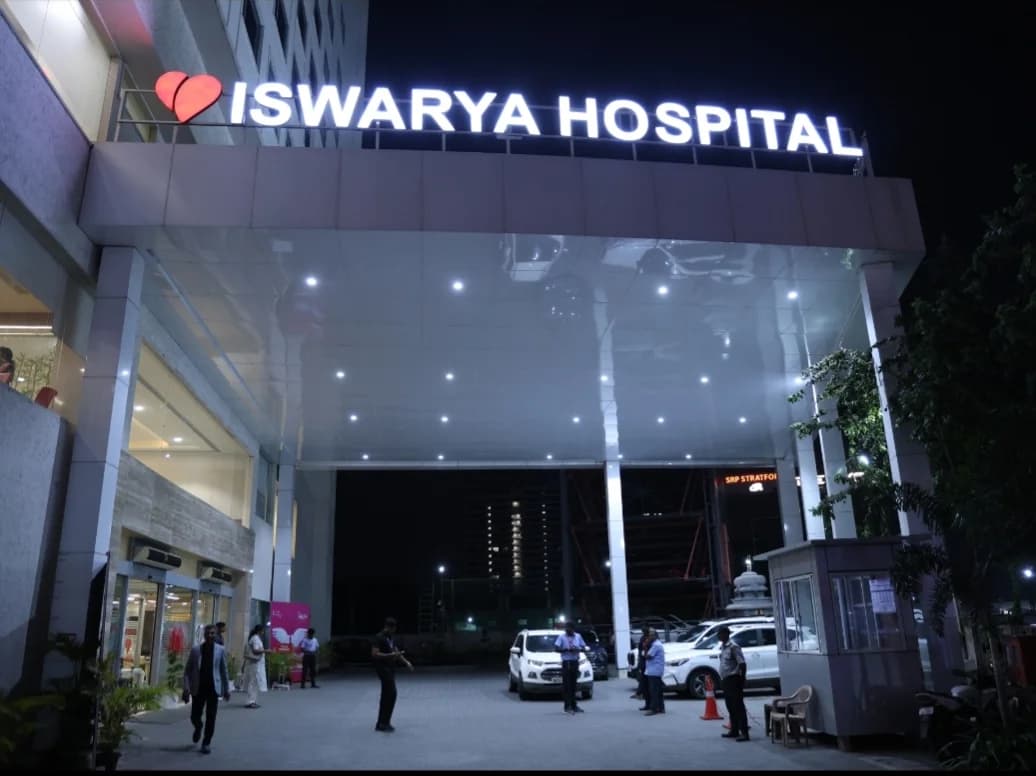
- Performed at Iswarya Hospital, Tharamani, Chennai
- Video consultation available on WhatsApp
Minimally Invasive Lung Lobe Removal
VATS Lobectomy (Video-Assisted Thoracoscopic Surgery) is a minimally invasive procedure used to remove a diseased lobe of the lung using small keyhole incisions. This technique allows surgeons to access the lung with a camera and specialised instruments, avoiding the large cuts used in traditional open surgery. VATS improves surgical precision, reduces postoperative pain, shortens hospital stay, and enhances recovery. It is routinely performed for early-stage lung cancer, selected benign lung lesions, and certain infections, offering excellent long-term oncologic outcomes and faster return to normal activities.
A Safer Alternative to Open Thoracotomy
VATS Lobectomy provides a safe and effective alternative to open thoracotomy for many patients with lung cancer. By using a high-definition thoracoscopic camera, surgeons achieve better visualisation of lung structures while causing minimal trauma to muscles and ribs. This reduces complications such as bleeding, infections, and prolonged pain. Patients benefit from improved breathing, quicker mobilisation, and smaller scars. VATS is widely accepted as the gold standard for early-stage lung cancer in suitable candidates and offers survival outcomes comparable to open surgery with significantly better postoperative comfort.
Precise Tumour Removal With Minimal Chest Wall Trauma
VATS Lobectomy enables precise removal of lung tumours with minimal chest wall disruption. Lymph node dissection is performed through the same incisions, ensuring accurate cancer staging and complete surgical removal. Patients undergoing VATS typically experience less need for pain medication, improved lung expansion, and faster rehabilitation. This technique is ideal for patients who value quicker recovery without compromising oncologic safety.
Who Is a Candidate for VATS
VATS suits most early-stage, peripherally located lung tumours in patients whose lung function testing shows they can tolerate losing a lobe. Central tumours, very large tumours, or those involving the airway may still need open surgery. The final recommendation follows the scans, breathing tests and anaesthesia assessment together.
What VATS Lobectomy Is
Minimally invasive lung surgery using keyhole thoracoscopic access.
- Uses 2–3 small incisions instead of a large chest cut
- A camera (thoracoscope) provides magnified internal views
- Specialised instruments remove the affected lung lobe safely
- Includes lymph node sampling or dissection for accurate staging
- Ensures complete tumour removal with minimal trauma
Why VATS Lobectomy Is Used
Safe, effective treatment for early and select advanced lung diseases.
- Standard treatment for early-stage non-small cell lung cancer
- Reduces pain, complications, and long recovery associated with open surgery
- Allows precise dissection and superior visualisation
- Minimises lung trauma and preserves remaining lung function
- Suitable for benign lung lesions, infections, and selected tumours
Who Are Suitable Candidates
Patients selected based on tumour location, stage, and lung function.
- Individuals with early-stage non-small cell lung cancer
- Patients with peripheral lung tumours accessible through VATS
- Those medically fit for general anesthesia and single-lung ventilation
- Patients with benign lung conditions requiring lobectomy
- Individuals assessed and approved by a thoracic surgery team
Advantages of VATS Lobectomy
Better recovery and equal oncologic outcomes compared to open surgery.
- Less postoperative pain and quicker return to daily activities
- Smaller incisions and better cosmetic results
- Lower risk of bleeding, infection, and lung complications
- Shorter hospital stay and faster rehabilitation
- Excellent cancer control with full lymph node removal
What to Expect After Surgery
Smooth recovery supported by enhanced recovery protocols.
- Chest drain initially placed to remove air and fluid
- Patients encouraged to walk within 24 hours
- Breathing exercises help lung expansion and healing
- Most patients go home within 3–5 days
- Follow-up evaluations ensure good lung function and cancer surveillance
Preparing for VATS Lobectomy
Steps before the operation
- Lung function tests confirm the resection is safe to tolerate
- Smokers are advised to stop before surgery where possible
- Chest physiotherapy and breathing exercises are taught beforehand
- Anaesthesia assessment is completed before admission
Recovery and Follow-Up
The typical course after VATS
- A chest drain stays while the lung re-expands
- Walking and breathing exercises begin within a day
- Discharge is usually within 3 to 5 days
- Follow-up visits monitor lung healing and ongoing surveillance
Questions to Ask Your Surgeon
Useful things to clarify
- Is my tumour suitable for VATS rather than open surgery?
- How will my breathing be affected afterwards?
- What signs should I watch for once home?
- When will the pathology report guide next steps?
Medically reviewed by Dr. Varadharajan V, Surgical Oncologist (M.Ch Surgical Oncology), Iswarya Hospital, Chennai, Tamil Nadu, India · Tamil Nadu Medical Council Reg. No. 90663 · Last reviewed: September 2026

Frequently Asked Questions
Need answers? Find them here...
VATS uses 2–3 small incisions with a camera and specialised instruments instead of a large chest cut with rib spreading. The same lobe and lymph nodes are removed, but with far less chest wall trauma, meaning less pain, smaller scars, shorter hospital stay, and faster recovery.
Candidates typically have early-stage non-small cell lung cancer, a peripheral tumour accessible through keyhole incisions, adequate lung function confirmed by testing, and fitness for general anaesthesia and single-lung ventilation. A thoracic surgical assessment confirms whether VATS is appropriate for your case.
Yes. The entire lobe is removed along with lymph node dissection for accurate staging, the same oncologic standard as open thoracotomy. VATS is widely accepted as the gold standard for early-stage lung cancer in suitable patients, with survival outcomes comparable to open surgery.
Most patients go home within 3–5 days. A chest drain is placed initially to manage air and fluid, walking is encouraged within 24 hours, and breathing exercises support lung expansion. Follow-up evaluations then monitor lung function and provide ongoing cancer surveillance.
Related Treatments

Thoracic Cancer
Comprehensive surgery for lung and chest cavity cancers.

Minimal Access Surgery
Less invasive cancer surgery with faster recovery and smaller incisions.
Travelling for treatment? See guidance for patients coming from outside Chennai.
This page is general education about vats lobectomy and is not personal medical advice. Diagnosis, stage and fitness decide the right treatment for each person. Please consult Dr. Varadharajan V or your own oncologist for advice on your situation. In an emergency, go to the nearest hospital.
Location & Contact
Contact Information
Address
110, Rajiv Gandhi Salai, OMR, Tharamani, Chennai 600041, Tamil Nadu
Working Hours
Mon to Sat, 9:00 AM to 5:00 PM · Sunday closed
Phone
+91 94442 64315Book an Appointment
Online booking is temporarily unavailable. Please call +91 94442 64315 or message us on WhatsApp.