
Skip to content

Gynecological Oncology

Cervical Cancer Stages and Treatment Options

Written by Dr. Varadharajan V, Surgical Oncologist, Chennai

Published · Updated · Medically reviewed by Dr. Varadharajan V · Last reviewed: · 4 min read

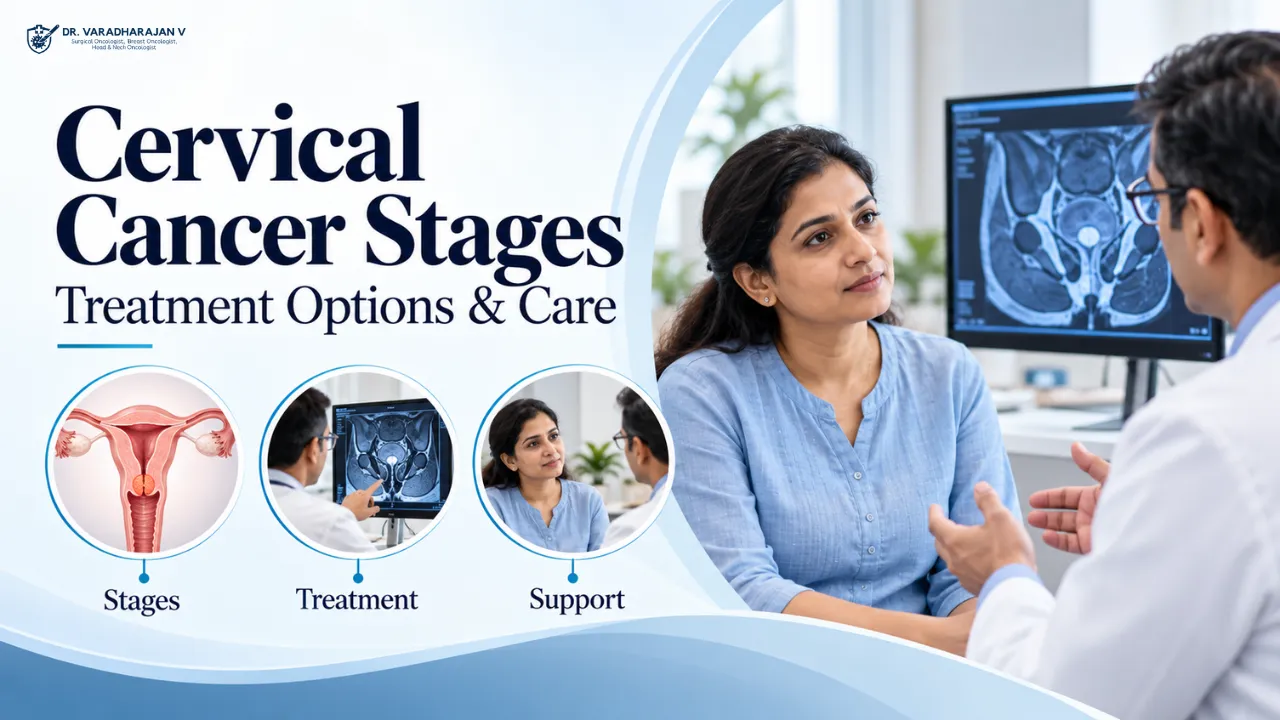
Gynecologic oncologist explaining cervical cancer stages on a scan

Quick Answer

Stage 1 cancers are usually treated with surgery such as cone biopsy, simple or radical hysterectomy. Stage 2 and 3 cancers are often treated with chemoradiation, which combines radiation and chemotherapy. Stage 4 cancers, which have spread to nearby organs or distant sites, are treated with chemotherapy, radiation and newer therapies to control disease and symptoms.

Cervical cancer starts in the cervix, the lower part of the uterus, and is mostly caused by long-term infection with high-risk human papillomavirus (HPV). Treatment depends on the stage. Early-stage cancer is often treated with surgery, while more advanced stages are usually treated with combined chemotherapy and radiation. When found early, cervical cancer is highly treatable.

Common Symptoms

  • Bleeding after intercourse
  • Bleeding between periods or after menopause
  • Unusual vaginal discharge, sometimes foul-smelling
  • Pelvic pain
  • Pain during intercourse

Early cervical cancer may have no symptoms, which is why screening is important.

Stages of Cervical Cancer

Stage 1

Cancer is limited to the cervix.

Stage 2

Cancer has spread beyond the cervix to the upper vagina or tissues beside the uterus, but not to the pelvic wall.

Stage 3

Cancer has spread to the lower vagina, pelvic wall, lymph nodes or causes kidney blockage.

Stage 4

Cancer has spread to the bladder, rectum or distant organs.

Staging uses examination, MRI, CT or PET scans and biopsy results.

Treatment Options by Stage

Very early cancer

  • Cone biopsy or simple hysterectomy
  • Fertility-sparing surgery (trachelectomy) in selected young women

Early-stage cancer

Locally advanced cancer

  • Chemoradiation, often with brachytherapy (internal radiation)

Advanced or recurrent cancer

  • Chemotherapy
  • Targeted therapy or immunotherapy in suitable patients
  • Palliative radiation for symptoms

Can Fertility Be Preserved?

In some very early cancers, fertility-sparing surgery may be possible. This needs careful assessment by a specialist.

Prevention

  • HPV vaccination: most effective before sexual activity begins
  • Regular screening: Pap smear and/or HPV test
  • Avoid smoking: smoking increases risk

Key Takeaways

  • Cervical cancer is mostly caused by HPV.
  • Early stages are often treated with surgery.
  • Advanced stages are treated with chemoradiation.
  • Fertility-sparing options exist for some early cases.
  • Vaccination and screening prevent many cases.

Final Thoughts

Cervical cancer is one of the most preventable and treatable cancers when found early. Understanding the stages helps you take part in decisions about your care. For gynecological cancer evaluation, you can consult Dr. Varadharajan, a surgical oncologist in Chennai.

Discuss this with a specialist

If you or a family member is dealing with gynecological oncology, the safest next step is a personal evaluation. Book an appointment with Dr. Varadharajan to review your reports and options.

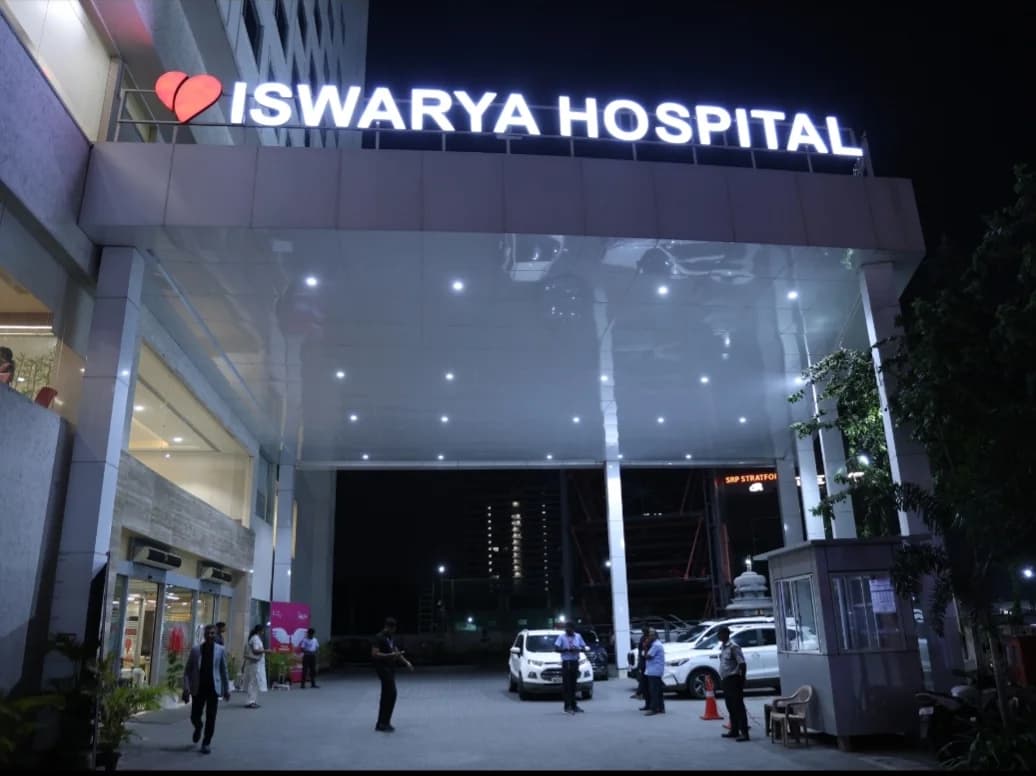
Find the clinic location, hours and directions at Iswarya Hospital, Tharamani, Chennai.

Frequently Asked Questions

Need answers? Find them here...

Part of the Gynecological Oncology guide

This article is part of our complete guide to gynecological cancer surgery, which explains the bigger picture and links to every related topic.

Related reading

About the Author

Dr. Varadharajan V, Surgical Oncology

Dr. Varadharajan V

Surgical Oncologist, Breast Oncologist, Head & Neck Oncologist

M.Ch Surgical Oncology, FIAGES, FALS, FMAS, M.S General Surgery, MBBS

Iswarya Hospital, Chennai

Dr. Varadharajan V is a highly trained Surgical Oncologist committed to delivering ethical, patient-centric, and evidence-based cancer care. With strong academic credentials and extensive hands-on experience across multiple oncological subspecialties, he is skilled in managing a wide spectrum of malignancies, including breast, gastrointestinal, gynecologic, and peritoneal surface cancers. His clinical foundation comes from institutions such as Sri Ramachandra Institute of Higher Education and Gleneagles Global Health City, where he has served in senior oncology roles.

Seek urgent medical care for severe bleeding, fever above 100.4 F, breathing difficulty, chest pain, uncontrolled vomiting, a wound that opens or leaks, or any sudden worsening after surgery.

This article is general medical information only. It is not a diagnosis and does not replace a consultation with your own oncologist or with Dr. Varadharajan V. Diagnosis, stage and fitness decide the right treatment for each person. In an emergency, go to the nearest hospital.

Location & Contact

Contact Information

Address

110, Rajiv Gandhi Salai, OMR, Tharamani, Chennai 600041, Tamil Nadu

Working Hours

Mon to Sat, 9:00 AM to 5:00 PM · Sunday closed

Book an Appointment

Online booking is temporarily unavailable. Please call +91 94442 64315 or message us on WhatsApp.

Iswarya Hospital exterior, OMR, Chennai
Book NowCall NowWhatsApp