

Skip to content

Cancer Screening & Early Detection

Tumour Markers: What They Can and Cannot Tell You

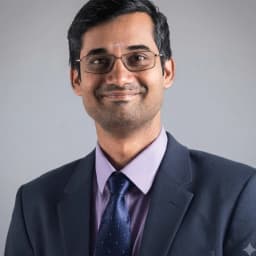
Written by Dr. Varadharajan V, Surgical Oncologist, Chennai

Published · Updated · Medically reviewed by Dr. Varadharajan V · Last reviewed: · 4 min read

Doctor reviewing a blood test report showing tumour marker values

Quick Answer

Tumour markers can support diagnosis, track how well treatment works and help spot recurrence during follow-up. They cannot confirm or rule out cancer by themselves. A raised marker needs interpretation along with symptoms, scans and biopsy. Normal markers do not guarantee absence of cancer.

Tumour markers are substances in the blood or other body fluids that may be raised in some cancers. Common examples include CEA, CA-125, CA 19-9, AFP and PSA. They are useful for monitoring treatment response and detecting recurrence in certain cancers, but they are not reliable for diagnosing cancer on their own because they can be raised in non-cancerous conditions and normal in some cancers.

Common Tumour Markers

  • CEA: colorectal and some other GI cancers
  • CA-125: ovarian cancer
  • CA 19-9: pancreatic and bile duct cancers
  • AFP: liver cancer and some testicular cancers
  • PSA: prostate cancer
  • CA 15-3: breast cancer monitoring
  • Beta-hCG: some testicular and gestational cancers
  • Thyroglobulin: thyroid cancer follow-up

What Can Tumour Markers Do?

  • Support a diagnosis when combined with other findings
  • Provide a baseline before treatment
  • Show how well treatment is working
  • Help detect recurrence during follow-up
  • Sometimes give prognostic information

What Can They Not Do?

  • Confirm cancer without imaging or biopsy
  • Rule out cancer when normal
  • Replace screening tests for most people
  • Always pinpoint the cancer type

Why Can Markers Be Misleading?

False positives

Markers can rise due to:

  • Infections or inflammation
  • Liver or kidney disease
  • Smoking (CEA)
  • Menstruation, endometriosis or fibroids (CA-125)
  • Bile duct blockage (CA 19-9)
  • Prostate enlargement or infection (PSA)

False negatives

Some cancers do not produce markers, so levels may be normal even when cancer is present.

How Are They Used in Follow-Up?

After cancer treatment, doctors may check markers at regular intervals. A steadily rising level may prompt scans to look for recurrence. Trends over time matter more than a single value.

Should Healthy People Get Tumour Marker Tests?

Generally not as a routine screening tool, except in specific situations such as PSA discussions for some men. Random testing can cause unnecessary worry and tests.

Key Takeaways

  • Tumour markers support but do not confirm diagnosis.
  • They are most useful for monitoring treatment.
  • Non-cancer conditions can raise markers.
  • Normal markers do not rule out cancer.
  • Trends matter more than single values.

Final Thoughts

Tumour markers are helpful tools when used correctly. Interpreting them with your doctor avoids unnecessary worry and supports good decisions. For cancer evaluation and follow-up, you can consult Dr. Varadharajan, a surgical oncologist in Chennai.
Discuss this with a specialist

If you or a family member is dealing with cancer screening & early detection, the safest next step is a personal evaluation. Book an appointment with Dr. Varadharajan to review your reports and options.

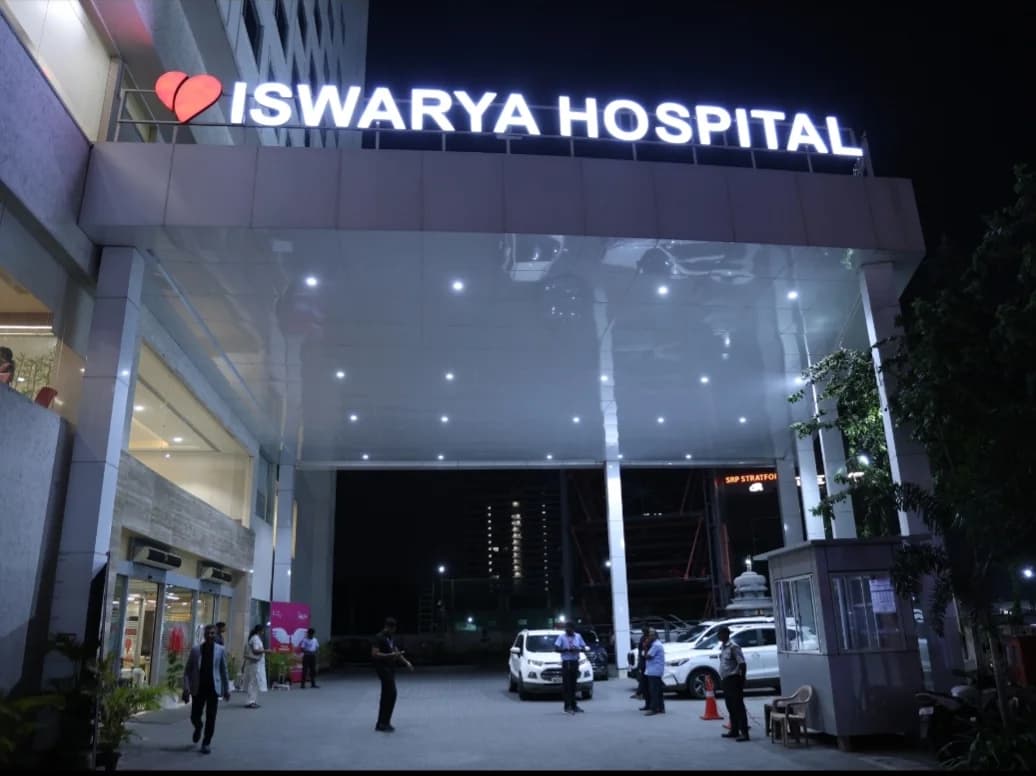
Find the clinic location, hours and directions at Iswarya Hospital, Tharamani, Chennai.

Frequently Asked Questions

Need answers? Find them here...

Part of the Cancer Screening & Early Detection guide

This article is part of our complete guide to cancer screening, which explains the bigger picture and links to every related topic.

Related reading

About the Author

Dr. Varadharajan V, Surgical Oncology

Dr. Varadharajan V

Surgical Oncologist, Breast Oncologist, Head & Neck Oncologist

M.Ch Surgical Oncology, FIAGES, FALS, FMAS, M.S General Surgery, MBBS

Iswarya Hospital, Chennai

Dr. Varadharajan V is a highly trained Surgical Oncologist committed to delivering ethical, patient-centric, and evidence-based cancer care. With strong academic credentials and extensive hands-on experience across multiple oncological subspecialties, he is skilled in managing a wide spectrum of malignancies, including breast, gastrointestinal, gynecologic, and peritoneal surface cancers. His clinical foundation comes from institutions such as Sri Ramachandra Institute of Higher Education and Gleneagles Global Health City, where he has served in senior oncology roles.

Seek urgent medical care for severe bleeding, fever above 100.4 F, breathing difficulty, chest pain, uncontrolled vomiting, a wound that opens or leaks, or any sudden worsening after surgery.

This article is general medical information only. It is not a diagnosis and does not replace a consultation with your own oncologist or with Dr. Varadharajan V. Diagnosis, stage and fitness decide the right treatment for each person. In an emergency, go to the nearest hospital.

Location & Contact

Contact Information

Address

110, Rajiv Gandhi Salai, OMR, Tharamani, Chennai 600041, Tamil Nadu

Working Hours

Mon to Sat, 9:00 AM to 5:00 PM · Sunday closed

Book an Appointment

Online booking is temporarily unavailable. Please call +91 94442 64315 or message us on WhatsApp.

Iswarya Hospital exterior, OMR, Chennai
Book NowCall NowWhatsApp