

Skip to content

Recovery & Survivorship

Cancer Follow-Up Schedule After Surgery

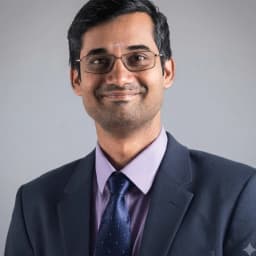
Written by Dr. Varadharajan V, Surgical Oncologist, Chennai

Published · Updated · Medically reviewed by Dr. Varadharajan V · Last reviewed: · 4 min read

Senior patient shaking hands with his surgeon at a follow-up visit

Quick Answer

A common follow-up pattern is every three to six months for the first two to three years, every six to twelve months until five years, and then yearly. Tests may include physical examination, blood tests, tumour markers, imaging and endoscopy depending on the cancer. Your exact schedule depends on cancer type, stage and treatment.

Follow-up after cancer surgery involves regular check-ups, tests and scans to monitor recovery, detect any recurrence early and manage long-term side effects. Visits are usually more frequent in the first two to three years, when recurrence risk is highest, and become less frequent over time. Many cancers are followed for at least five years.

Why Is Follow-Up Important?

  • Detect recurrence early
  • Monitor for new cancers
  • Manage side effects of treatment
  • Support nutrition, mobility and emotional health
  • Update you on new evidence or options

Typical Follow-Up Schedule

Years 1 to 2

Every three to six months.

Years 3 to 5

Every six months to one year.

After 5 years

Yearly, or as advised.

Schedules vary by cancer and guideline.

What Happens at Follow-Up Visits?

  • Discussion of symptoms and recovery
  • Physical examination
  • Review of weight, diet and activity
  • Blood tests, including tumour markers if relevant
  • Imaging such as ultrasound, CT, MRI or PET-CT when indicated
  • Endoscopy or colonoscopy for some cancers

Examples by Cancer Type

  • Colorectal cancer: CEA tests, CT scans and colonoscopy at set intervals
  • Breast cancer: clinical exams and yearly mammograms
  • Thyroid cancer: thyroid function, thyroglobulin and ultrasound
  • Head and neck cancer: frequent mouth and neck examinations, imaging as needed
  • Ovarian cancer: clinical exam and CA-125, with imaging when needed

Symptoms to Report Between Visits

  • New lumps or swelling
  • Unexplained weight loss
  • Persistent pain
  • Bleeding
  • Persistent cough or breathlessness
  • Changes in bowel or bladder habits
  • Ongoing fatigue

Do not wait for your next appointment if you notice these.

Managing Long-Term Effects

Follow-up also helps with:

  • Nutrition and weight
  • Lymphedema
  • Bowel or bladder changes
  • Fatigue
  • Emotional health and fear of recurrence
  • Bone health and hormone changes

Tips for Follow-Up

  • Keep a folder of all reports and scans
  • Write down questions before visits
  • Bring a family member for support
  • Keep track of medicines and supplements

Key Takeaways

  • Follow-up is most frequent in early years.
  • Tests depend on the type of cancer.
  • Early detection of recurrence improves options.
  • Report new symptoms between visits.
  • Follow-up supports overall well-being too.

Final Thoughts

Follow-up is your ongoing partnership with your care team. Staying on schedule gives you the best chance of catching problems early and living well after cancer. For surgical oncology follow-up, you can consult Dr. Varadharajan, a surgical oncologist in Chennai.
Discuss this with a specialist

If you or a family member is dealing with recovery & survivorship, the safest next step is a personal evaluation. Book an appointment with Dr. Varadharajan to review your reports and options.

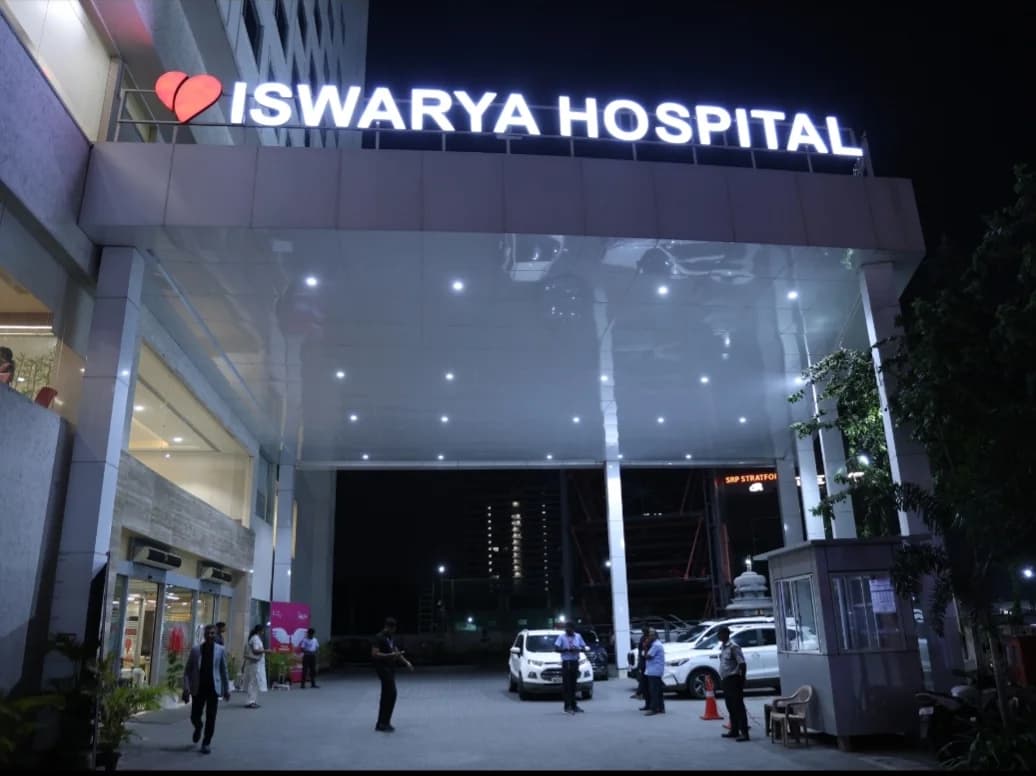
Find the clinic location, hours and directions at Iswarya Hospital, Tharamani, Chennai.

Frequently Asked Questions

Need answers? Find them here...

Part of the Recovery & Survivorship guide

This article is part of our complete guide to recovery after cancer surgery, which explains the bigger picture and links to every related topic.

Related reading

About the Author

Dr. Varadharajan V, Surgical Oncology

Dr. Varadharajan V

Surgical Oncologist, Breast Oncologist, Head & Neck Oncologist

M.Ch Surgical Oncology, FIAGES, FALS, FMAS, M.S General Surgery, MBBS

Iswarya Hospital, Chennai

Dr. Varadharajan V is a highly trained Surgical Oncologist committed to delivering ethical, patient-centric, and evidence-based cancer care. With strong academic credentials and extensive hands-on experience across multiple oncological subspecialties, he is skilled in managing a wide spectrum of malignancies, including breast, gastrointestinal, gynecologic, and peritoneal surface cancers. His clinical foundation comes from institutions such as Sri Ramachandra Institute of Higher Education and Gleneagles Global Health City, where he has served in senior oncology roles.

Seek urgent medical care for severe bleeding, fever above 100.4 F, breathing difficulty, chest pain, uncontrolled vomiting, a wound that opens or leaks, or any sudden worsening after surgery.

This article is general medical information only. It is not a diagnosis and does not replace a consultation with your own oncologist or with Dr. Varadharajan V. Diagnosis, stage and fitness decide the right treatment for each person. In an emergency, go to the nearest hospital.

Location & Contact

Contact Information

Address

110, Rajiv Gandhi Salai, OMR, Tharamani, Chennai 600041, Tamil Nadu

Working Hours

Mon to Sat, 9:00 AM to 5:00 PM · Sunday closed

Book an Appointment

Online booking is temporarily unavailable. Please call +91 94442 64315 or message us on WhatsApp.

Iswarya Hospital exterior, OMR, Chennai
Book NowCall NowWhatsApp