
Skip to content

Recovery & Survivorship

Nutrition During Cancer Recovery: What Helps

Written by Dr. Varadharajan V, Surgical Oncologist, Chennai

Published · Updated · Medically reviewed by Dr. Varadharajan V · Last reviewed: · 4 min read

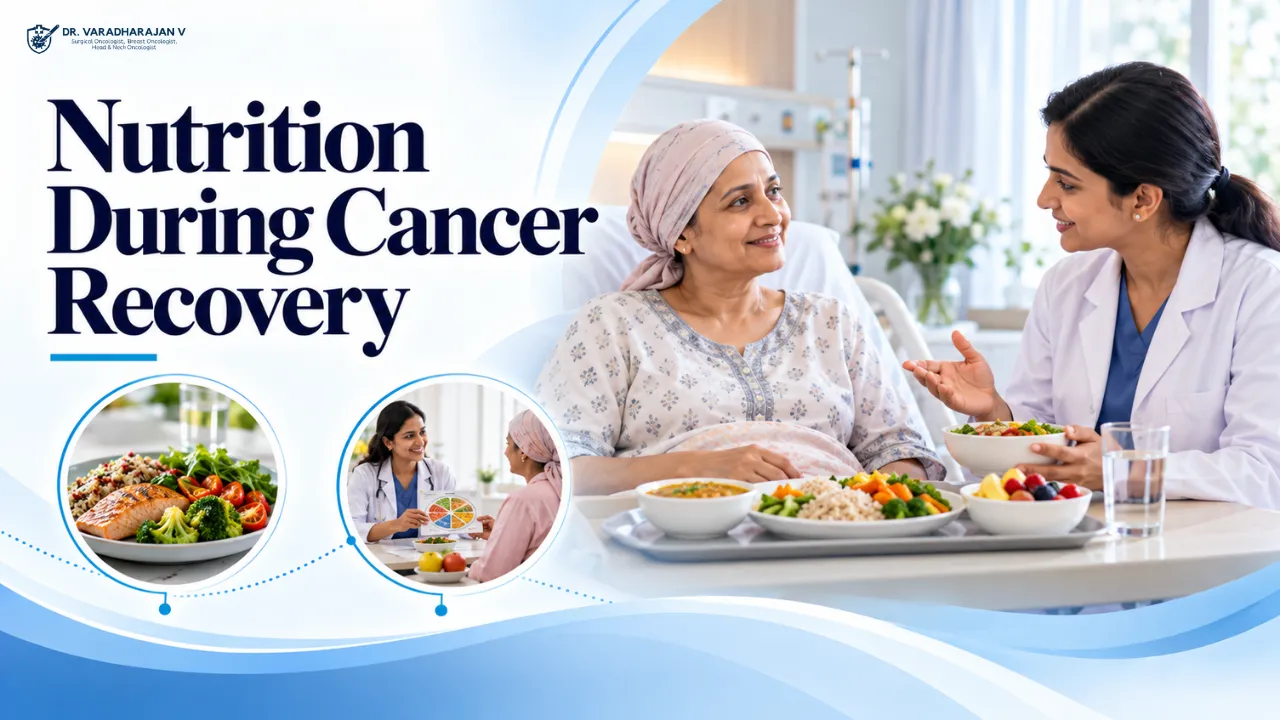
Balanced South Indian recovery meal served on a banana leaf

Quick Answer

Focus on protein at every meal, enough calories to prevent weight loss, plenty of fluids and a variety of vegetables, fruits and whole grains. Eat small meals often if appetite is poor. Supplements may be advised if you cannot eat enough. Avoid unproven "anti-cancer" diets that restrict important nutrients.

Good nutrition is a key part of recovery after cancer surgery and treatment. The body needs extra protein and energy to heal wounds, rebuild muscle, fight infection and cope with chemotherapy or radiation. Eating well can be hard when appetite is low, so small, frequent, nutrient-dense meals and guidance from a dietitian make a real difference.

Why Nutrition Matters

  • Supports wound healing
  • Maintains muscle strength
  • Boosts immunity
  • Improves tolerance to chemotherapy and radiation
  • Reduces fatigue
  • Speeds overall recovery

Key Nutrients

Protein

Builds and repairs tissue. Sources include dal, eggs, paneer, curd, milk, fish, chicken, soya and legumes.

Energy

Prevents weight loss. Include healthy fats such as nuts, seeds, ghee or oil in moderation, and whole grains.

Vitamins and minerals

Found in colourful vegetables, fruits and whole grains.

Fluids

Water, buttermilk, coconut water, soups and juices help prevent dehydration.

Tips for Poor Appetite

  • Eat five to six small meals a day
  • Keep easy snacks handy, like nuts, fruit, curd or idli
  • Add protein to familiar foods, like egg in upma or paneer in parathas
  • Eat the most when appetite is best, often in the morning
  • Drink fluids between meals so you do not feel full too quickly

Managing Common Problems

Nausea

Eat dry, bland foods, avoid strong smells and eat slowly.

Taste changes

Try lemon, herbs or mild spices to improve flavour.

Mouth sores

Choose soft, cool foods and avoid spicy or acidic items.

Diarrhoea

Eat bland foods, stay hydrated and limit high-fibre foods temporarily.

Constipation

Increase fluids, fibre and gentle activity.

Are Supplements Needed?

Oral nutritional supplements may help if you cannot eat enough. Vitamin or mineral supplements are useful when deficiencies are found. Avoid high-dose supplements without medical advice, as some can interfere with treatment.

Food Safety

  • Wash fruits and vegetables well
  • Avoid undercooked meat, eggs and unpasteurised milk
  • Eat freshly cooked food, especially when blood counts are low

Avoid Myths

  • Sugar does not "feed" cancer more than other foods in a way that diet alone can control
  • Avoid extreme diets, fasting or "alkaline" diets without evidence
  • Balanced nutrition is better than restrictive plans

Key Takeaways

  • Protein and calories support healing.
  • Small, frequent meals help poor appetite.
  • Fluids prevent dehydration.
  • Supplements may help when eating is difficult.
  • Avoid unproven restrictive diets.

Final Thoughts

Every meal is a step toward recovery. With patience and support, eating well becomes easier over time. For surgical oncology care and recovery support, you can consult Dr. Varadharajan, a surgical oncologist in Chennai.
Discuss this with a specialist

If you or a family member is dealing with recovery & survivorship, the safest next step is a personal evaluation. Book an appointment with Dr. Varadharajan to review your reports and options.

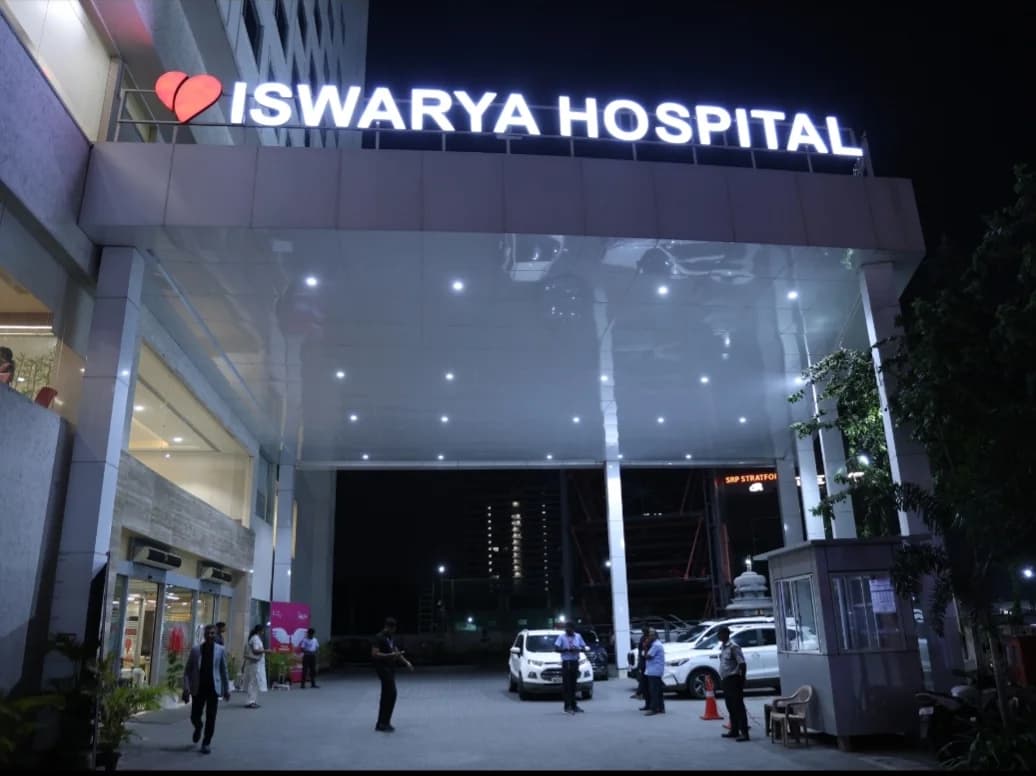
Find the clinic location, hours and directions at Iswarya Hospital, Tharamani, Chennai.

Frequently Asked Questions

Need answers? Find them here...

Part of the Recovery & Survivorship guide

This article is part of our complete Recovery & Survivorship guide, linked above, which explains the bigger picture and every related topic.

Related reading

About the Author

Dr. Varadharajan V, Surgical Oncology

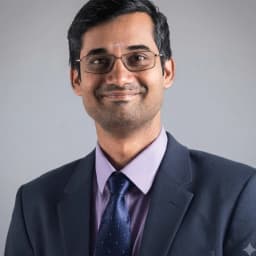
Dr. Varadharajan V

Surgical Oncologist, Breast Oncologist, Head & Neck Oncologist

M.Ch Surgical Oncology, FIAGES, FALS, FMAS, M.S General Surgery, MBBS

Iswarya Hospital, Chennai

Dr. Varadharajan V is a highly trained Surgical Oncologist committed to delivering ethical, patient-centric, and evidence-based cancer care. With strong academic credentials and extensive hands-on experience across multiple oncological subspecialties, he is skilled in managing a wide spectrum of malignancies, including breast, gastrointestinal, gynecologic, and peritoneal surface cancers. His clinical foundation comes from institutions such as Sri Ramachandra Institute of Higher Education and Gleneagles Global Health City, where he has served in senior oncology roles.

Seek urgent medical care for severe bleeding, fever above 100.4 F, breathing difficulty, chest pain, uncontrolled vomiting, a wound that opens or leaks, or any sudden worsening after surgery.

This article is general medical information only. It is not a diagnosis and does not replace a consultation with your own oncologist or with Dr. Varadharajan V. Diagnosis, stage and fitness decide the right treatment for each person. In an emergency, go to the nearest hospital.

Location & Contact

Contact Information

Address

110, Rajiv Gandhi Salai, OMR, Tharamani, Chennai 600041, Tamil Nadu

Working Hours

Mon to Sat, 9:00 AM to 5:00 PM · Sunday closed

Book an Appointment

Online booking is temporarily unavailable. Please call +91 94442 64315 or message us on WhatsApp.

Iswarya Hospital exterior, OMR, Chennai
Book NowCall NowWhatsApp