

Skip to content

Advanced Cancer Surgery

Palliative Surgery: Goals and Expectations

Written by Dr. Varadharajan V, Surgical Oncologist, Chennai

Published · Updated · Medically reviewed by Dr. Varadharajan V · Last reviewed: · 4 min read

Senior man resting peacefully in a garden with his grandchild

Quick Answer

Palliative surgery may be considered for bowel obstruction, bleeding, perforation, blocked bile ducts, difficulty swallowing, painful tumours or fluid build-up. It aims to restore comfort and function. Not every patient will benefit, so careful discussion about goals, recovery and alternatives such as stents or medicines is essential.

Palliative surgery is surgery performed to relieve symptoms, prevent complications and improve quality of life in people with advanced cancer, rather than to cure the disease. It can help with problems such as bowel blockage, bleeding, pain or difficulty eating. The decision to proceed is based on balancing expected benefits with risks and the patient's goals.

Goals of Palliative Surgery

  • Relieve pain or pressure
  • Restore eating or bowel function
  • Control bleeding
  • Prevent emergencies
  • Improve independence and comfort
  • Allow continuation of other treatments

Common Palliative Procedures

Bowel obstruction

Bypass surgery or a stoma to relieve blockage.

Bleeding tumours

Removal of the bleeding part or procedures to control it.

Swallowing difficulty

Feeding tubes or bypass procedures for blocked food pipe or stomach.

Blocked bile duct

Surgical bypass if stents are not suitable.

Fluid build-up

Drainage procedures or catheters for recurrent ascites or pleural fluid.

Tumour causing pain or wounds

Removal to relieve symptoms.

Alternatives to Surgery

  • Endoscopic stents
  • Radiation for bleeding or pain
  • Medicines to control symptoms
  • Drainage procedures by interventional radiology
  • Palliative care support

These may be less invasive and more suitable for some patients.

How Are Decisions Made?

  • Patient goals and preferences
  • Expected benefit and duration of relief
  • Overall health and fitness
  • Risks and recovery time
  • Life expectancy
  • Availability of less invasive options

Open conversations with your surgeon, oncologist and palliative care team help guide the choice.

What to Expect

Recovery depends on the procedure and your health. Some procedures offer quick relief, while others need longer recovery. Your team will explain realistic expectations.

Key Takeaways

  • Palliative surgery relieves symptoms, not cure.
  • It can help with blockage, bleeding and pain.
  • Less invasive alternatives may be available.
  • Decisions focus on quality of life.
  • Patient goals guide every choice.

Final Thoughts

Palliative surgery is about comfort, dignity and quality of life. When chosen thoughtfully, it can make a real difference in daily living. For advanced cancer surgical care, you can consult Dr. Varadharajan, a surgical oncologist in Chennai.
Discuss this with a specialist

If you or a family member is dealing with advanced cancer surgery, the safest next step is a personal evaluation. Book an appointment with Dr. Varadharajan to review your reports and options.

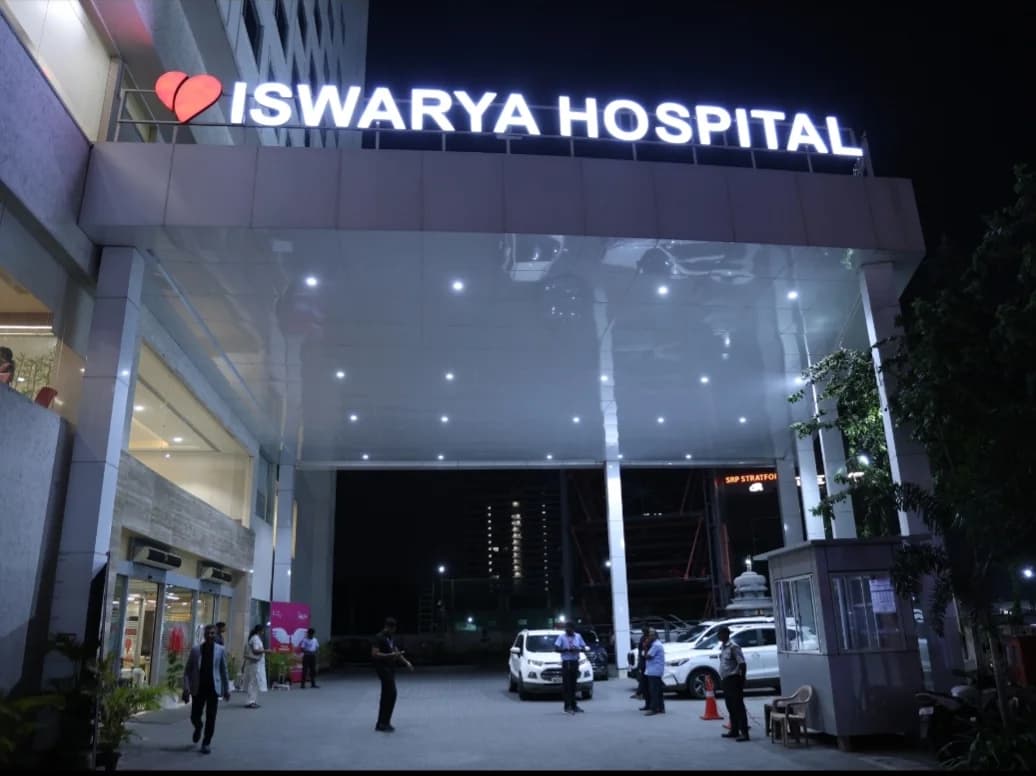
Find the clinic location, hours and directions at Iswarya Hospital, Tharamani, Chennai.

Frequently Asked Questions

Need answers? Find them here...

Part of the Advanced Cancer Surgery guide

This article is part of our complete guide to advanced cancer surgery, which explains the bigger picture and links to every related topic.

Related reading

About the Author

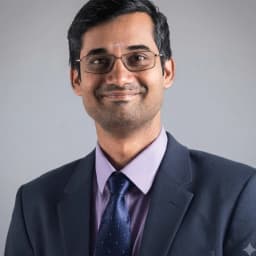
Dr. Varadharajan V, Surgical Oncology

Dr. Varadharajan V

Surgical Oncologist, Breast Oncologist, Head & Neck Oncologist

M.Ch Surgical Oncology, FIAGES, FALS, FMAS, M.S General Surgery, MBBS

Iswarya Hospital, Chennai

Dr. Varadharajan V is a highly trained Surgical Oncologist committed to delivering ethical, patient-centric, and evidence-based cancer care. With strong academic credentials and extensive hands-on experience across multiple oncological subspecialties, he is skilled in managing a wide spectrum of malignancies, including breast, gastrointestinal, gynecologic, and peritoneal surface cancers. His clinical foundation comes from institutions such as Sri Ramachandra Institute of Higher Education and Gleneagles Global Health City, where he has served in senior oncology roles.

Seek urgent medical care for severe bleeding, fever above 100.4 F, breathing difficulty, chest pain, uncontrolled vomiting, a wound that opens or leaks, or any sudden worsening after surgery.

This article is general medical information only. It is not a diagnosis and does not replace a consultation with your own oncologist or with Dr. Varadharajan V. Diagnosis, stage and fitness decide the right treatment for each person. In an emergency, go to the nearest hospital.

Location & Contact

Contact Information

Address

110, Rajiv Gandhi Salai, OMR, Tharamani, Chennai 600041, Tamil Nadu

Working Hours

Mon to Sat, 9:00 AM to 5:00 PM · Sunday closed

Book an Appointment

Online booking is temporarily unavailable. Please call +91 94442 64315 or message us on WhatsApp.

Iswarya Hospital exterior, OMR, Chennai
Book NowCall NowWhatsApp